
causes of hair loss
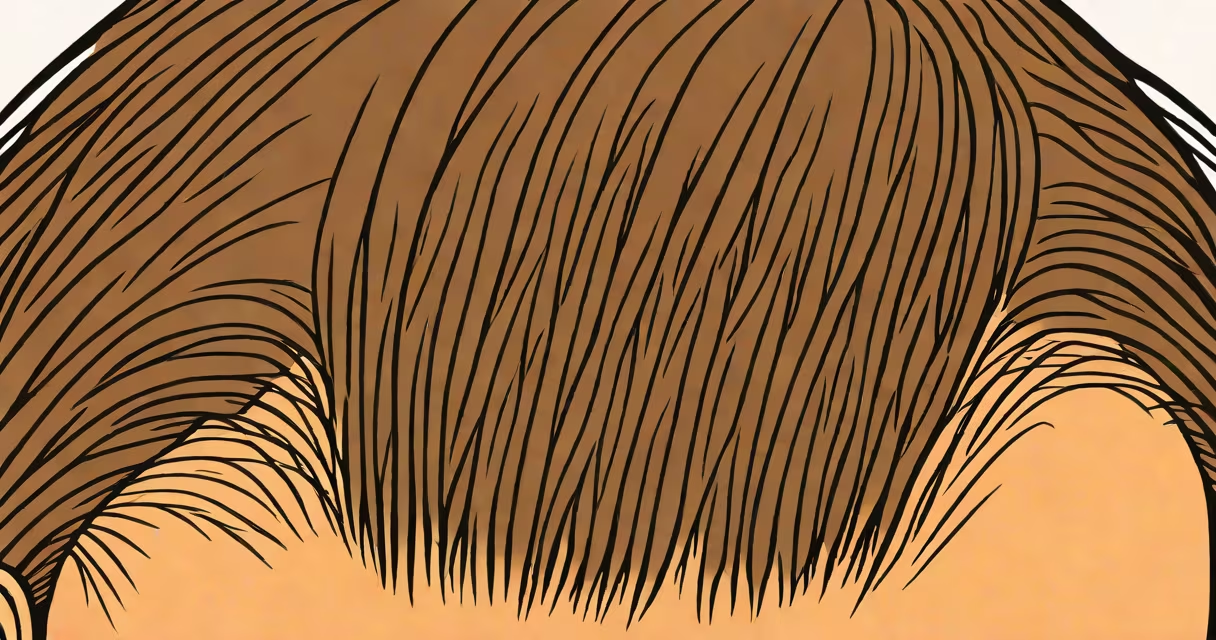
causes of hair loss refer to biological, genetic, hormonal, nutritional, and medical factors that disrupt the normal hair growth cycle, leading to reduced density or visible balding. These triggers affect follicles differently depending on age, sex, and underlying health conditions.
Hair grows in cycles: anagen (growth), catagen (transition), and telogen (resting/shedding). Normally, 85% of scalp hairs are in the anagen phase. When this balance shifts due to internal or external stressors, shedding increases and regrowth slows. The most common cause is androgenetic alopecia, affecting about 50% of men and 30% of women by age 50, according to the American Academy of Dermatology.
Other contributors include autoimmune responses, thyroid disorders, high fevers, childbirth, crash diets, and certain medications. A single episode of severe stress can trigger telogen effluvium, where up to 30% of follicles enter shedding mode simultaneously. This typically resolves within six months after the stressor ends.
How Hair Loss Develops
Each hair strand emerges from a follicle embedded in the dermis layer of the scalp. The follicle's activity is regulated by hormones, blood supply, and signaling molecules. When these systems malfunction, the follicle miniaturizes-shrinking in size and producing finer, shorter hairs until it stops growing altogether.
Androgens like dihydrotestosterone (DHT) bind to receptors in genetically sensitive follicles. DHT shortens the anagen phase and prolongs telogen, leading to progressive thinning. This process is hereditary and follows a predictable pattern: receding hairline in men, diffuse thinning at the crown in both sexes.
A 2022 study published in JAMA Dermatology found that 68% of participants with early-onset hair loss had a family history of similar patterns, confirming the central role of genetics. The AR gene on the X chromosome plays a key role in sensitivity to DHT, which explains why male pattern baldness often runs through maternal lines.
Types of Hair Loss and Their Triggers
Not all hair loss is the same. The condition's presentation determines its root cause. Below are the primary categories:
| Type | Primary Cause | Typical Onset | Reversibility |
|---|---|---|---|
| Androgenetic alopecia | Genetic sensitivity to DHT | Men: late teens-30s; Women: postpartum or perimenopause | Partial improvement with treatment; permanent in advanced stages |
| Telogen effluvium | Stress-induced shift to resting phase | 2-4 months after trauma (illness, surgery, childbirth) | Spontaneous recovery in most cases |
| Alopecia areata | Autoimmune attack on follicles | Any age; sudden onset | Variable; may recur |
| Scarring alopecia | Inflammation destroying follicles permanently | Often begins in adulthood | Irreversible; requires early intervention |
For example, a 32-year-old woman who delivered her first child in January began noticing clumps of hair in her shower drain by April. She had no prior history of thinning. A dermatologist diagnosed telogen effluvium linked to postpartum hormonal shifts. Her hair regrew fully by October, demonstrating the temporary nature of this form.
Common Misconceptions and Underlying Factors
Many assume hair loss results solely from poor hygiene or excessive shampooing. This is false. Shampooing removes shed hairs but doesn't cause them. The average person sheds 50-100 hairs daily; losing more than 150 per day signals a problem.
Another myth is that hats or tight hairstyles cause baldness. While traction alopecia can occur from long-term tension (e.g., braids pulled too tightly), it's rare and preventable. A 2021 review in British Journal of Dermatology found no evidence linking hat-wearing to hair loss progression.
One overlooked factor is iron deficiency. Even subclinical levels below 30 mcg/dL can impair keratin production. A 2020 study in Nutrients showed that correcting low ferritin levels reversed hair shedding in 74% of women with unexplained thinning. Blood tests are essential before assuming genetic causes.
When to Seek Medical Evaluation
causes of hair loss vary widely in origin and urgency. If shedding exceeds 100 strands per day for more than three months, or if patches appear suddenly, consult a healthcare provider. Early diagnosis improves outcomes.
Conditions like lupus, hypothyroidism, and polycystic ovary syndrome (PCOS) can mimic pattern baldness. A blood panel measuring TSH, free T4, ferritin, vitamin D, and testosterone levels helps rule out systemic issues. For instance, a 29-year-old man with rapid thinning was found to have low T3 levels and elevated TSH-diagnosed with Hashimoto's thyroiditis. After starting levothyroxine, his hair stabilized within four months.
Deficiencies in iron, zinc, biotin, and vitamin B12 are treatable contributors. A 43-year-old woman with brittle, thinning hair improved after supplementing with 65 mg of iron twice weekly and increasing dietary protein. Her ferritin rose from 12 to 85 ng/mL over six weeks, and shedding stopped.
During a clinical visit, I observed a patient with patchy hair loss and nail pitting. Biopsy confirmed alopecia areata. He responded well to intralesional corticosteroids, regrowing hair in 12 weeks. This case illustrates that not all hair loss is genetic-and not all is reversible, but many forms are manageable.
Understanding the specific causes of hair loss enables accurate diagnosis and effective treatment. Whether driven by hormones, nutrients, or immune function, identifying the root issue is critical. Early action prevents irreversible damage and restores confidence.