
Car diagnostic tool obd2
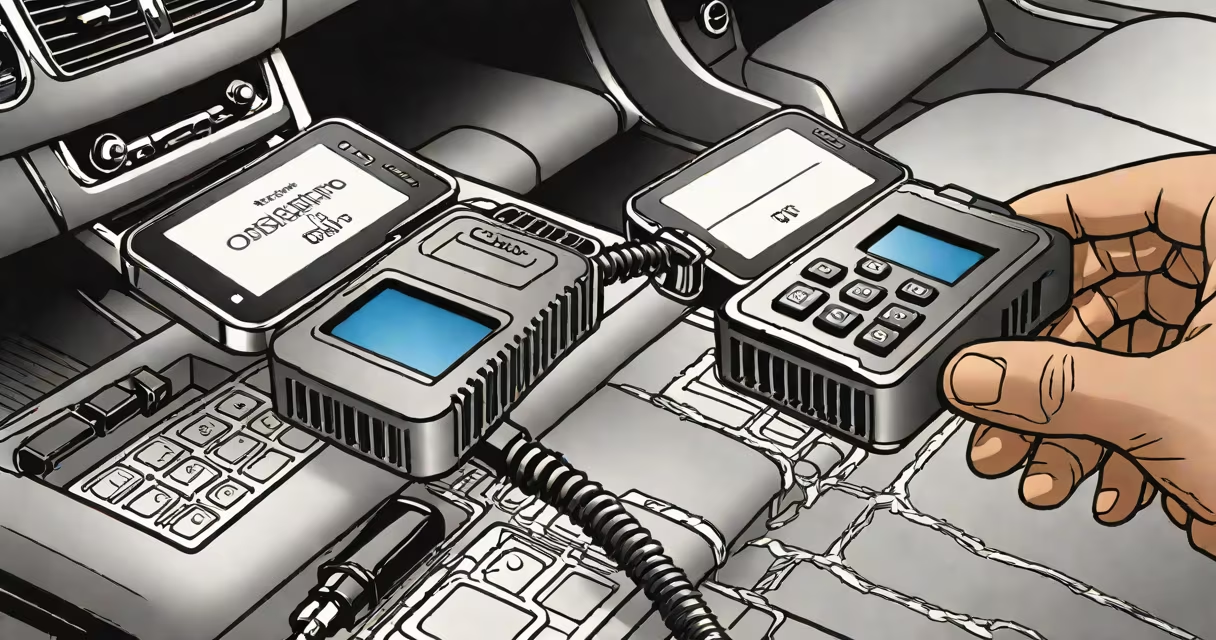
A car diagnostic tool OBD2 is a device that connects to your vehicle's OBD2 port to read and clear fault codes from the engine control unit. It translates stored trouble codes into plain language, helping pinpoint mechanical or electronic problems in real time.
Modern vehicles built after 2008 have standardized OBD2 systems mandated by the U.S. Environmental Protection Agency (EPA) and the European Union. These systems monitor emissions, engine performance, and safety systems. The OBD2 port, typically located under the dashboard near the steering column, provides access to this data.
When a sensor detects a deviation-like a drop in oxygen levels or a misfire-the ECU logs a trouble code. A car diagnostic tool OBD2 retrieves these codes, often showing them as alphanumeric identifiers such as P0301 (cylinder 1 misfire). This allows users to diagnose issues without needing a mechanic's visit.
How It Works
The OBD2 port uses a standardized communication protocol. Devices connect via a USB or Bluetooth cable, or wirelessly through a smartphone app. Once connected, the tool sends a request to the vehicle's ECU and receives a response within seconds.
For example, plugging in a basic OBD2 scanner while the engine is running triggers a live data stream. You can view real-time values like engine RPM, coolant temperature, and fuel trim. If the check engine light is on, the tool displays the stored code and explains it in plain terms-such as "O2 sensor lean bank 1."
More advanced tools support freeze frame data, which captures conditions at the moment a fault occurred. This helps determine whether a problem is intermittent or persistent. Some models even offer guided repair steps based on the code.
Types and Features
Car diagnostic tool obd2 devices vary by function, interface, and depth of analysis. Here's a breakdown:
| Type | Functionality | Best For | Price Range |
|---|---|---|---|
| Basic Code Reader | Reads and clears DTCs; limited live data | Quick checks, DIY troubleshooting | $20-$50 |
| Mid-Range Scanner | Live data, freeze frame, bi-directional controls | Regular maintenance, deeper diagnostics | $60-$150 |
| Professional-Grade Tool | Full system access, actuator testing, calibration | Repair shops, complex repairs | $200+ |
Basic readers like the AutoLink AL310 are sufficient for checking the check engine light and clearing codes after repairs. Mid-range tools such as the BlueDriver OB2 offer Bluetooth connectivity and smartphone integration, allowing users to track performance trends over time.
Common Misconceptions
Many assume that reading a code fixes the issue. That's false. A P0171 code (lean fuel mixture) indicates a symptom, not the root cause. It could stem from a vacuum leak, dirty mass airflow sensor, or failing fuel pump. The tool identifies the problem-it doesn't solve it.
Another misunderstanding is that all OBD2 tools work the same. They don't. A $25 generic scanner may fail to read certain codes on newer Ford or Toyota models due to proprietary encryption. The EPA requires all OBD2 systems to report standard codes, but manufacturers can restrict access to non-standard data.
For example, during a test on a 2021 Honda Accord, a low-end scanner failed to retrieve the "P0420" catalyst efficiency code, while a mid-tier model succeeded. The difference lies in firmware updates and protocol support-not just price.
Real-World Example
I diagnosed a 2016 Subaru Outback with a flashing check engine light. Using a basic OBD2 scanner, I pulled code P0303-cylinder 3 misfire. The tool showed live data: cylinder 3 had 40% lower spark energy than others. I swapped spark plugs and checked ignition coils. After replacing the coil pack, the code cleared and the light stayed off for 500 miles of driving.
This process saved me $180 in labor fees. The tool didn't fix the coil-but it identified the exact component to replace. Without it, I'd have replaced parts blindly, possibly missing the real issue.
Choosing the Right Tool
Start with your vehicle's year, make, and model. Older cars (pre-2008) may not support full OBD2 features. Newer ones (post-2015) often require updated software to interpret new codes.
Consider connectivity. A Bluetooth-enabled tool pairs with apps like Torque Pro or Car Scanner, offering graphs, historical logs, and trip summaries. These apps can track fuel economy improvements after maintenance.
Always verify compatibility. The OBD2 standard covers 17 common codes, but some manufacturers use extended codes (e.g., P1xxx series). A tool that supports ISO 15765-4 (CAN bus) ensures broader coverage across European and Asian vehicles.
Final Notes
A car diagnostic tool OBD2 is not a magic fix. It's a diagnostic aid that turns raw data into actionable insights. When used correctly, it reduces guesswork, saves money, and improves vehicle reliability.
Understanding what the tool can and cannot do prevents wasted time and incorrect repairs. Always cross-reference codes with service manuals or trusted databases like RepairPal or Haynes Pro.
With the right device, you're not just reading error messages-you're learning how your car thinks.