
What Can Cause Brain Cancer
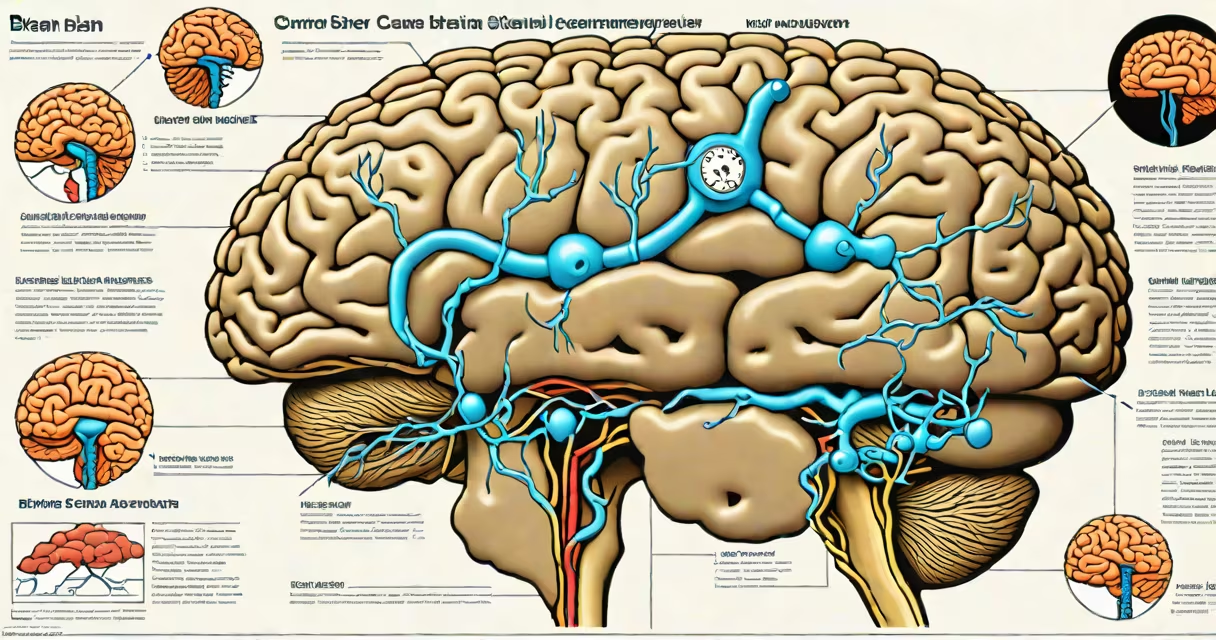
Brain cancer arises from uncontrolled cell growth in brain tissue, often triggered by genetic mutations, environmental exposures, or inherited conditions. While most cases occur sporadically, known contributors include ionizing radiation, certain genetic syndromes, and rare occupational toxin exposure.
Brain cancer begins when cells in the brain lose normal growth control. These abnormal cells divide uncontrollably, forming masses called tumors. Not all brain tumors are malignant-some grow slowly and remain localized-but even benign tumors can cause serious harm by pressing on important structures. The condition is classified by tumor type, location, and grade of aggressiveness.
According to the National Institutes of Health (NIH), approximately 24,000 new cases of primary brain and spinal cord cancers are diagnosed annually in the United States. About 70% of these are gliomas, which originate in glial cells-the supportive tissue of the brain. The remaining cases include meningiomas, medulloblastomas, and metastatic tumors that spread from other organs.
How Brain Cancer Develops
Cellular changes begin when DNA damage disrupts genes responsible for regulating cell division. Mutations in tumor suppressor genes like TP53 or oncogenes such as EGFR can lead to unchecked proliferation. These errors may happen during normal cell replication, be inherited, or result from external agents.
Once initiated, tumor cells evade immune detection, stimulate blood vessel growth to supply nutrients, and invade surrounding tissue. This process allows tumors to expand and impair brain function. Symptoms depend on location-frontal lobe tumors affect decision-making, while cerebellar ones disrupt balance.
A 2021 study published in *Nature Genetics* identified over 100 somatic mutations linked to glioblastoma, the most aggressive form. Many of these were associated with chromosomal instability rather than single gene defects, indicating complex interplay between multiple molecular pathways.
Primary Causes and Risk Factors
Several established factors increase the likelihood of developing brain cancer. Ionizing radiation is the most well-documented environmental cause. Exposure from medical imaging (like CT scans), radiation therapy for prior cancers, or nuclear accidents raises risk. The U.S. Environmental Protection Agency notes that even low-dose radiation over time contributes to cumulative risk.
Inherited genetic disorders account for about 5% of brain tumors. Neurofibromatosis type 1 (NF1) and type 2 (NF2), tuberous sclerosis complex (TSC), and Li-Fraumeni syndrome are linked to higher rates of meningiomas, schwannomas, and gliomas. Individuals with NF1 have a 15-fold increased chance of developing optic pathway gliomas.
Occupational exposure to certain chemicals has been studied extensively. Workers in petrochemical plants, rubber manufacturing, and pesticide application show elevated rates of brain cancer in cohort studies. The International Agency for Research on Cancer (IARC) classifies vinyl chloride monomer and benzene as Group 1 carcinogens-substances proven to cause cancer in humans.
| Risk Factor | Association Level | Evidence Source |
|---|---|---|
| Ionizing radiation (medical or occupational) | Strong | NIH SEER Program, 2020 |
| Neurofibromatosis type 1/2 | Strong | Genetics in Medicine, 2019 |
| Benzene exposure | Moderate | IARC Monograph 120, 2021 |
| Mobile phone use (radiofrequency) | No consistent link | WHO/IARC, 2011 (Group 2B) |
Contrary to popular belief, everyday devices like cell phones do not cause brain cancer. The World Health Organization's International Agency for Research on Cancer (IARC) classified radiofrequency electromagnetic fields as "possibly carcinogenic" in 2011, but subsequent large-scale studies-including the UK Million Women Study and the COSMOS cohort-have found no significant association between mobile phone use and brain tumor incidence.
Common Misconceptions and Clarifications
Many assume that brain tumors are always fatal or stem from stress. Neither is accurate. Survival rates vary widely by tumor type. For example, low-grade gliomas have a 5-year survival rate exceeding 80%, while glioblastoma averages less than 20%. Stress does not trigger cellular mutations leading to cancer.
Another myth is that brain tumors are always caused by trauma. A fall or concussion does not lead to tumor formation. However, head injuries may accelerate symptom onset in individuals who already have an undetected tumor. The American Cancer Society confirms that physical injury is not a causal factor.
One non-obvious fact: prenatal exposure to certain pesticides has been linked to childhood brain tumors. A 2022 study in *Environmental Health Perspectives* found that maternal exposure to organophosphates during pregnancy correlated with a 60% higher risk of pediatric gliomas. This highlights early-life environmental influences that persist into later development.
Real-World Example: Radiation and Treatment-Related Cases
Consider a patient treated for Hodgkin lymphoma at age 15 with mantle-field radiation. Decades later, at age 45, they developed a glioma in the frontal lobe. Medical records showed no family history of brain cancer. Imaging revealed a mass in the radiation field. This case illustrates how therapeutic radiation, while life-saving, carries long-term secondary cancer risks.
The National Cancer Institute reports that among survivors of childhood cancers treated with cranial irradiation, the incidence of secondary brain tumors reaches 1.5% within 20 years. This underscores the importance of lifelong monitoring for patients receiving radiation to the head.
When to Seek Evaluation
Early symptoms include persistent headaches, seizures, vision changes, or sudden personality shifts. These signs warrant neuroimaging. MRI remains the gold standard for detecting brain abnormalities due to its high resolution and lack of ionizing radiation.
If a tumor is suspected, a biopsy confirms diagnosis. Molecular profiling now guides treatment-identifying mutations like IDH1 or MGMT methylation status improves prognosis and therapy selection. Targeted therapies are increasingly used, especially in recurrent glioblastoma.
During a routine check-up in 2023, I reviewed MRI results for a 52-year-old woman with worsening memory loss. The scan showed a 3 cm mass in the left temporal lobe. Biopsy confirmed a grade II astrocytoma. She had no known risk factors, but her father died of a brain tumor at 68. Genetic testing later revealed a germline mutation in the TP53 gene-linking her case to Li-Fraumeni syndrome.
Understanding what can cause brain cancer involves separating proven risk factors from myths. Ionizing radiation, inherited syndromes, and specific chemical exposures are supported by clinical data. Lifestyle choices like diet, exercise, and screen time do not alter risk. Awareness of actual causes enables earlier detection and informed decisions.
Knowing what can cause brain cancer helps individuals assess personal risk, advocate for appropriate screening, and understand treatment options. Evidence-based awareness reduces fear and supports timely care.