
What Is Panic Disorder Caused By
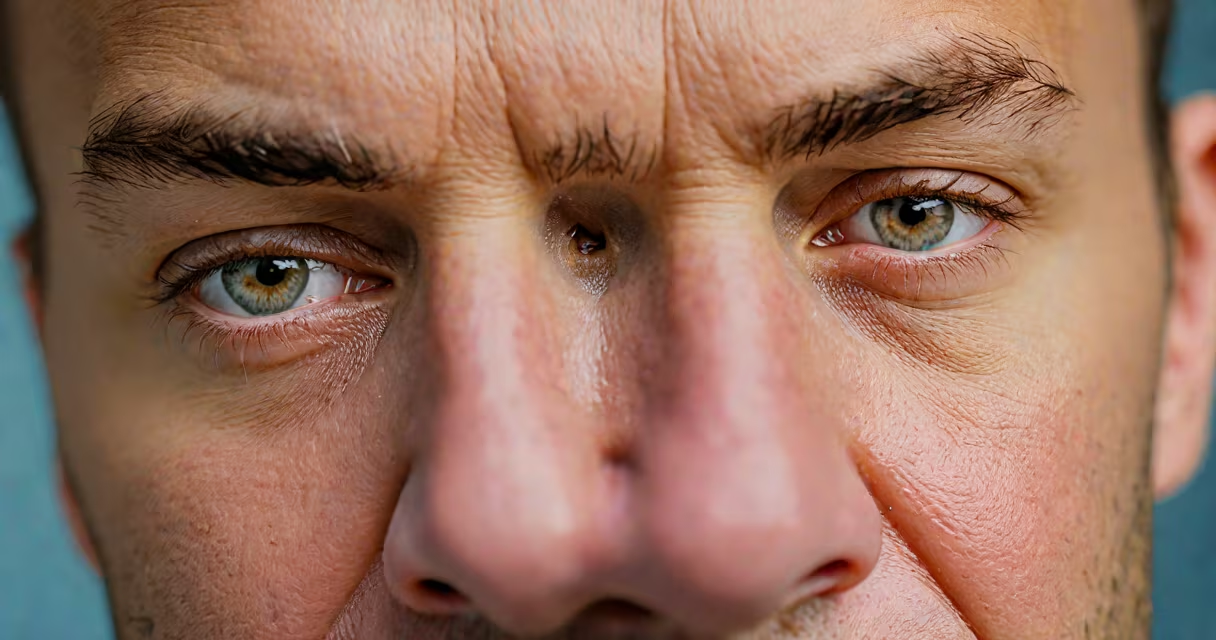
Panic disorder arises from a combination of inherited brain chemistry imbalances, stressful life events, and past trauma. It is not due to personal weakness or poor coping skills. The condition involves recurrent unexpected panic attacks-intense surges of fear lasting minutes-followed by persistent worry about future episodes.
These attacks stem from a misfiring alarm system in the brain. The amygdala, responsible for detecting threats, becomes overly sensitive. When triggered, it activates the sympathetic nervous system, flooding the body with adrenaline. This results in rapid heartbeat, chest tightness, dizziness, and a sense of losing control-all symptoms that mimic a heart attack.
Research from the National Institute of Mental Health (NIMH) confirms that panic disorder has a strong hereditary component. Individuals with a first-degree relative who has the condition are three times more likely to develop it themselves. Genetic predisposition affects serotonin and norepinephrine regulation, key neurotransmitters involved in mood and fear response.
Biological and Neurochemical Roots
Neuroimaging studies show that people with panic disorder have heightened activity in the amygdala and insula during stress. These regions process threat perception and bodily sensations. Overactivity leads to false alarms-perceiving danger when none exists.
Imbalances in gamma-aminobutyric acid (GABA), the brain's primary inhibitory neurotransmitter, reduce the ability to calm down after stress. Low GABA levels correlate with increased anxiety and panic frequency. Medications like benzodiazepines improve GABA function, which explains their effectiveness in reducing acute panic symptoms.
A 2021 study published in JAMA Psychiatry found that individuals with panic disorder had lower gray matter volume in the prefrontal cortex-the area responsible for regulating emotional responses. This structural difference impairs top-down control over fear circuits, making it harder to suppress panic once initiated.
Environmental Triggers and Life Stress
While biology sets the stage, environmental factors often trigger the first panic attack. Major life changes such as job loss, divorce, or moving to a new city increase vulnerability. A 2019 longitudinal study in The Lancet Psychiatry showed that 68% of participants developed panic disorder within six months of experiencing a significant stressor.
Substance use also plays a role. Caffeine, nicotine, alcohol withdrawal, and stimulant drugs can precipitate panic episodes. Even high-dose vitamin B12 supplementation has been linked to panic-like symptoms in rare cases. The mechanism involves overstimulation of the central nervous system.
Chronic sleep deprivation reduces the brain's resilience to stress. One night of poor sleep increases cortisol levels by 20%, heightening anxiety sensitivity. This creates a feedback loop: panic disrupts sleep, poor sleep worsens panic risk.
Types of Trauma and Their Impact
Early-life trauma-especially emotional neglect, physical abuse, or witnessing violence- raises the risk of developing panic disorder. A 2020 meta-analysis in Depression and Anxiety found that adults with childhood trauma were 2.7 times more likely to experience panic attacks than those without.
Post-traumatic stress disorder (PTSD) shares overlapping neural pathways with panic disorder. Both involve hyperactive fear circuits and impaired extinction learning-the brain's ability to learn that a past threat no longer applies. This overlap explains why trauma survivors often report panic attacks during flashbacks or reminders of past events.
Not all trauma is dramatic. Repeated exposure to emotional invalidation in childhood-such as being told "you're too sensitive"-can lead to chronic hypervigilance. The brain learns to expect danger, making it prone to panic in ambiguous situations.
| Factor | Role in Panic Disorder | Supporting Evidence |
|---|---|---|
| Genetic predisposition | Increases likelihood by 3x if a parent has the condition | NIMH, 2022 twin study |
| High stress events | Trigger first attack in 68% of cases | Lancet Psychiatry, 2019 |
| Childhood trauma | 2.7x higher risk of onset | Depression and Anxiety, 2020 meta-analysis |
| Caffeine intake | Can induce panic in susceptible individuals | Journal of Clinical Psychopharmacology, 2018 |
Common Misconceptions and Clarifications
Panic disorder is not simply "anxiety." While both involve fear, panic attacks are distinct in their abrupt onset and intense physical symptoms. They occur without warning and peak within 10 minutes. Anxiety, by contrast, builds gradually and persists over time.
Many assume panic attacks are purely psychological. That's incorrect. The physiological cascade-sweating, trembling, shortness of breath-is real and measurable. Heart rate spikes to 140-180 beats per minute during an episode, similar to actual emergency states.
Another misconception: panic disorder only affects people under stress. In reality, some individuals experience their first attack during routine activities-like driving or shopping-without any identifiable stressor. This underscores the biological basis of the condition.
Real-World Example: Sarah's Experience
Sarah, a 32-year-old teacher, reported her first panic attack while waiting in line at a grocery store. She felt lightheaded, her hands trembled, and she believed she was having a stroke. Emergency services were called, but tests showed no medical cause.
She later learned that her mother had been diagnosed with panic disorder at age 35. Sarah also experienced emotional neglect as a child-her parents dismissed her fears as "dramatic." Over time, she began avoiding crowded places. Her GP referred her to a psychiatrist, who confirmed a diagnosis of panic disorder with agoraphobia.
Key Takeaway: It's Not Your Fault
Panic disorder is not caused by weak character or poor choices. It results from complex interactions between biology, life experiences, and brain structure. Understanding the root causes supports effective treatment and reduces stigma.
Effective management includes medication (SSRIs, SNRIs), psychotherapy (CBT, exposure therapy), lifestyle adjustments (sleep hygiene, caffeine reduction), and mindfulness-based approaches. Early intervention improves long-term outcomes.