
What Is Gay Pride Parade
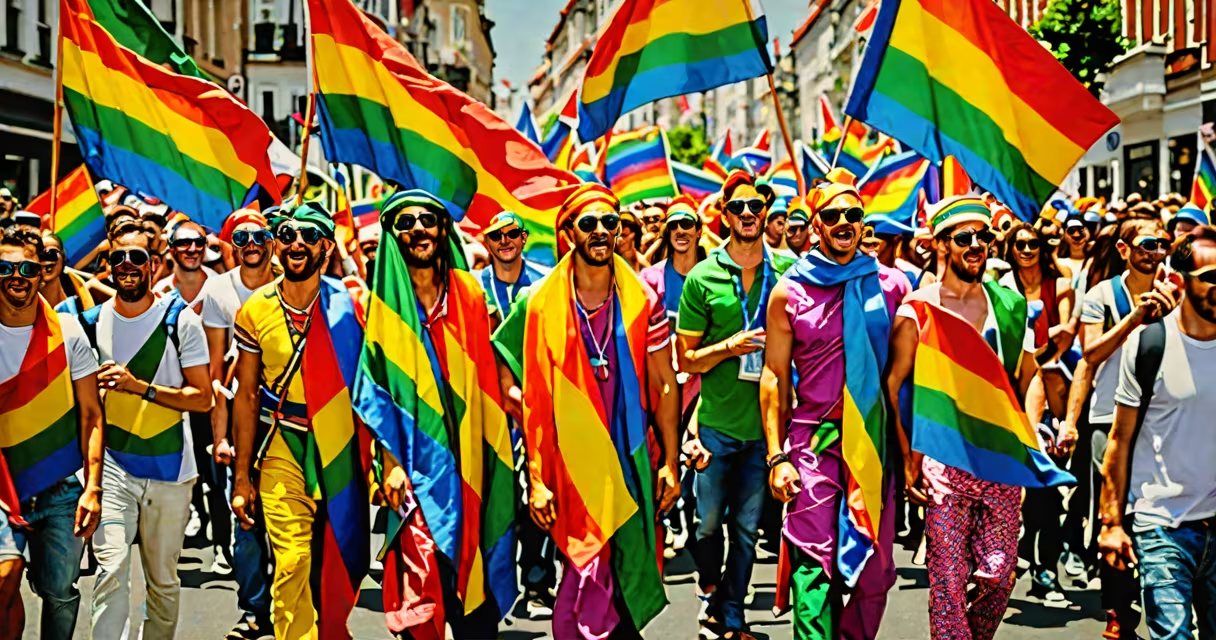
The gay pride parade is a public procession celebrating LGBTQ+ identity, culture, and rights. It originated in 1970 as a protest against discrimination and continues today as a global expression of visibility, joy, and political advocacy. Events occur annually in June, coinciding with Pride Month, and draw thousands to city centers worldwide.
These parades began as acts of resistance. The first took place in New York City on June 28, 1970, marking the one-year anniversary of the Stonewall Uprising-a key moment when LGBTQ+ patrons fought back against a police raid at the Stonewall Inn. The event was organized by activists including Brenda Howard, who later became known as the "Mother of Pride."
Today, gay pride parades serve multiple purposes: they affirm LGBTQ+ identities, educate the public about queer history, and advocate for equal rights. They are not solely celebratory-they often include calls for policy change, support for transgender rights, and remembrance of those lost to violence and HIV/AIDS.
How It Works
Gay pride parades follow a structured format. Organizers secure permits from local governments, set routes through city streets, and coordinate with community groups, performers, and vendors. Floats, marching bands, drag performers, and nonprofit booths line the route. Attendees gather along sidewalks to watch, cheer, and participate.
Participants wear rainbow colors, custom outfits, and face paint. Many carry handmade signs with slogans like "Love is Love" or "Trans Rights Are Human Rights." Some walk in silence to honor victims of anti-LGBTQ+ violence. The atmosphere blends joy, mourning, and political urgency.
Parades typically begin in the late morning or early afternoon. They last two to four hours, depending on the city. After the march, many events continue with concerts, art exhibits, and community forums. In Toronto, for example, the parade ends at Nathan Phillips Square, where a free concert draws tens of thousands.
Types and Variations
While the term "gay pride parade" is widely used, the events differ by region and cultural context. Not all are called parades-some are festivals, rallies, or vigils. The core purpose remains consistent: visibility and affirmation.
| Type | Location Example | Key Features |
|---|---|---|
| Traditional Parade | New York City, USA | Large-scale march with floats, bands, and corporate sponsors |
| Festival-Style Event | Sydney, Australia | Outdoor stage performances, food stalls, and LGBTQ+ youth programs |
| Trans-Inclusive March | Toronto, Canada | Dedicated segment for trans and non-binary participants; focus on safety and representation |
| Virtual Pride | Global (online) | Livestreamed panels, digital art galleries, and online meetups |
Some cities host smaller, neighborhood-based events. In Portland, Oregon, the Pride parade runs through downtown but includes a separate "Pride in the Park" event focused on local artists and grassroots activism. Others, like Berlin's Christopher Street Day, emphasize historical memory and socialist roots.
A common misconception is that pride parades are exclusively for gay men. While the term "gay pride" reflects the movement's origins in the gay male community, modern parades are inclusive of lesbian, bisexual, transgender, queer, and intersex individuals. The rainbow flag-designed by Gilbert Baker in 1978-represents this diversity. Each color stands for a different aspect of life: red for life, orange for healing, yellow for sunlight, green for nature, blue for harmony, and purple for spirit.
Common Misconceptions and Clarifications
One frequent error is equating pride parades with mere parties. While they do feature music, dancing, and costumes, their roots lie in protest. The 1970 march in New York was not a party-it was a call to action. As historian David Carter notes in his book *Stonewall: The Riots That Sparked the Gay Revolution*, the event was "a political statement disguised as a celebration."
Another misunderstanding is that pride parades are only for Western nations. In reality, they exist in over 100 countries, including places with restrictive laws. In 2023, Istanbul hosted a pride event despite government bans. Activists held a silent march in Taksim Square, carrying candles and photos of missing LGBTQ+ people. In Uganda, where homosexuality is illegal, LGBTQ+ Ugandans organize virtual gatherings and international solidarity actions.
There's also confusion about who organizes these events. While large cities may involve corporations and local governments, most parades are led by volunteer-run LGBTQ+ nonprofits. In San Francisco, the event is managed by the San Francisco Pride Celebration Committee, a coalition of over 60 community organizations. Corporate sponsorship is controversial-some groups reject it due to concerns about "pinkwashing," where companies co-opt LGBTQ+ imagery for profit without supporting actual rights.
Real-World Example: 2023 NYC Pride Parade
In June 2023, the New York City Pride Parade drew over 2.5 million attendees. The route stretched 1.5 miles from 5th Avenue to 34th Street. Over 200 contingents marched, including the National Black Justice Coalition, the Trans Lifeline, and a group of 500 veterans identifying as LGBTQ+.
One float featured a life-sized model of Harvey Milk, the first openly gay elected official in California. The float carried a quote: "You have to give them hope." This message echoed the parade's dual mission: to honor past struggles and inspire future progress.
Local businesses reported a 40% increase in sales during Pride Week. But the organizers emphasized that economic impact wasn't the goal. "This isn't about consumerism," said organizer Marisa Lopez. "It's about saying, 'We exist. We're not invisible.'"
Personal Observation
I attended the 2022 Pride Parade in Los Angeles. Walking down Hollywood Boulevard, I saw a teenager in a homemade sign that read: "I'm not afraid to be me." A woman in her 70s waved a rainbow flag she'd sewn herself. Near the finish line, a drag queen sang "I Will Survive" while kids danced in the street. The energy wasn't just joy-it was resilience. That moment stayed with me because it showed how public space can become a sanctuary.
Where to Find One
Gay pride parades happen in cities across North America, Europe, Latin America, and parts of Asia and Africa. Dates vary by location but most occur between June 1 and June 30. To find your nearest event, check local LGBTQ+ centers or national networks like the Human Rights Campaign or InterPride.
Gay pride parade is not a single event-it's a living tradition. It adapts to new challenges, embraces evolving identities, and remains a useful tool for visibility and change. Its existence proves that public joy, when rooted in justice, can change society.