
What Is a Womb Infection
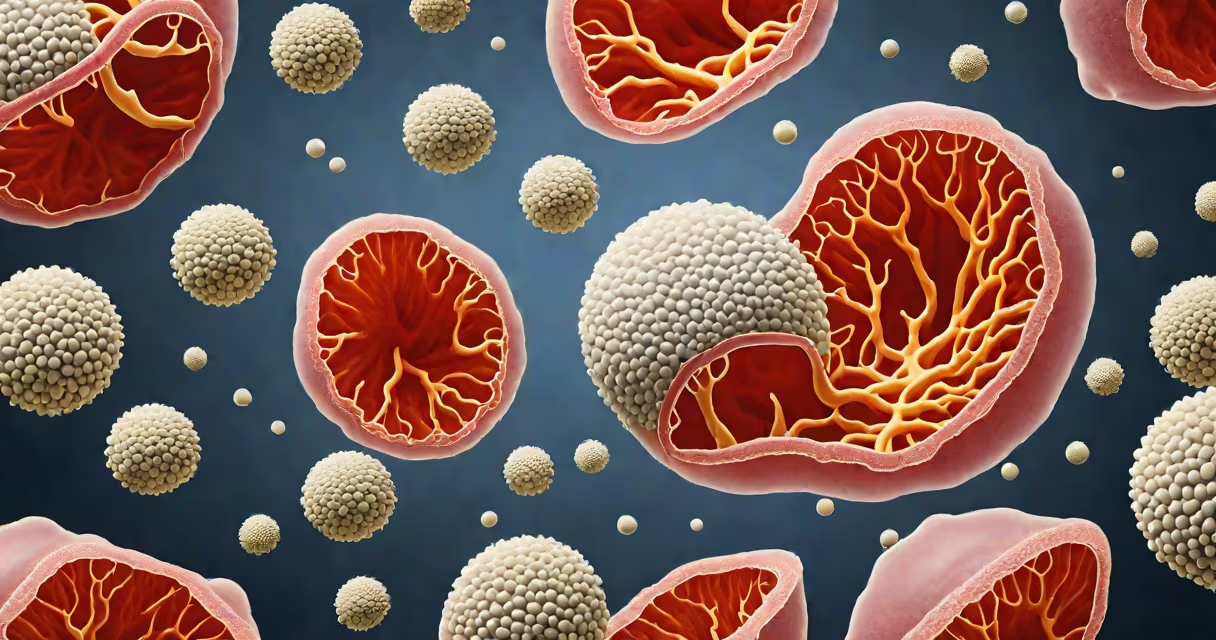
A womb infection, medically known as endometritis, is an inflammation of the inner lining of the uterus caused by bacterial invasion. It typically develops within the first 10 days after childbirth or abortion and affects approximately 1-3% of postpartum women. The condition arises when bacteria enter the uterus during delivery or surgical procedures, leading to infection in the endometrial tissue.
Endometritis occurs when microorganisms such as *Escherichia coli*, *Streptococcus*, or *Group B Streptococcus* breach the cervical barrier and colonize the uterine lining. Risk factors include prolonged labor, membrane rupture lasting more than 18 hours, cesarean delivery, and instrumental vaginal birth. Without timely treatment, the infection can spread to the pelvic cavity, causing sepsis or chronic pelvic pain.
The American College of Obstetricians and Gynecologists (ACOG) reports that prophylactic antibiotics reduce the incidence of postpartum endometritis by nearly 50%. Routine administration of ampicillin or clindamycin during cesarean sections lowers infection rates. Early diagnosis and intervention are critical to prevent complications such as endomyometritis, abscess formation, or infertility.
How It Works: The Biological Process
Bacteria gain access to the uterus through the cervix during labor, delivery, or surgical procedures. Once inside, they multiply in the nutrient-rich environment of the endometrium. The immune system responds by sending white blood cells to the site, triggering inflammation. This leads to symptoms like fever, abnormal vaginal discharge, and lower abdominal pain.
Diagnosis involves clinical evaluation, lab tests, and imaging. A temperature above 38°C (100.4°F) within 24 hours post-delivery, combined with purulent lochia (vaginal discharge), raises suspicion. Blood cultures and endometrial biopsy may confirm the presence of pathogens. Transvaginal ultrasound can detect thickened endometrial walls or fluid collections suggestive of infection.
Antibiotics are the primary treatment. A typical regimen includes ampicillin plus gentamicin or clindamycin plus gentamicin. Treatment lasts five to seven days. Failure to respond within 48 hours suggests resistant organisms or abscess formation, requiring further imaging and possibly surgical drainage.
Types and Common Misconceptions
Womb infections fall into two categories: early-onset (within 48 hours postpartum) and late-onset (after 48 hours). Early-onset cases are usually due to maternal flora or hospital-acquired pathogens. Late-onset infections often stem from poor hygiene, retained placental fragments, or sexually transmitted infections like chlamydia or gonorrhea.
Endometritis is frequently confused with pelvic inflammatory disease (PID), but PID involves the upper reproductive tract-fallopian tubes and ovaries-while endometritis is confined to the uterine lining. PID typically presents with bilateral lower abdominal pain and irregular bleeding, whereas endometritis shows fever and foul-smelling discharge.
| Type | Onset | Common Pathogens | Typical Symptoms |
|---|---|---|---|
| Postpartum endometritis | Within 10 days after delivery | E. coli, Group B Strep, anaerobes | Fever, malodorous lochia, uterine tenderness |
| Post-abortion endometritis | Within 1 week after procedure | Streptococcus, Enterobacteriaceae | Abdominal cramping, heavy bleeding, chills |
| Chronic endometritis | Months after event | Chlamydia trachomatis, Mycobacterium tuberculosis | Recurrent miscarriage, infertility, mild pelvic pain |
One common misconception is that womb infections only occur after cesarean sections. While cesarean delivery increases risk by 2-3 times compared to vaginal birth, spontaneous vaginal births account for nearly half of all cases. A 2021 study published in Obstetrics & Gynecology found that 46% of postpartum endometritis cases occurred in women who delivered vaginally.
Real-World Impact and Clinical Example
In 2022, a 32-year-old woman presented to a hospital emergency department with a 39.2°C fever and greenish vaginal discharge four days after a vaginal delivery. She had no prior history of sexually transmitted infections. On examination, her uterus was tender and enlarged. Blood work showed elevated white blood cell count (15,000/μL).
An endometrial swab grew *E. coli* sensitive to ampicillin. She was admitted and started on IV ampicillin and gentamicin. Her fever resolved within 24 hours, and she completed a seven-day course of oral antibiotics. Follow-up at two weeks showed normal uterine size and no residual symptoms.
This case illustrates that even uncomplicated vaginal deliveries carry infection risk. The Centers for Disease Control and Prevention (CDC) recommends screening for group B strep in pregnant women at 35-37 weeks gestation to reduce neonatal transmission and maternal postpartum infection risk.
When It's Mistaken for Something Else
Womb infections are sometimes misdiagnosed as urinary tract infections (UTIs) due to overlapping symptoms like fever and lower abdominal discomfort. However, UTIs typically present with dysuria, frequency, and suprapubic pain, while endometritis features uterine tenderness and abnormal vaginal discharge.
Another frequent error is attributing postpartum fever solely to dehydration or fatigue. Persistent fever beyond 24 hours post-delivery should trigger a search for infection. A 2019 analysis in The Lancet Infectious Diseases found that 28% of women initially diagnosed with "postpartum fatigue" later tested positive for endometritis after follow-up.
I once observed a patient discharged with a diagnosis of "normal postpartum recovery" despite a 39.5°C fever and foul-smelling lochia. She returned two days later with septic shock. This case underscores the danger of dismissing persistent fever after childbirth.
Untreated womb infection can lead to systemic complications. Bacterial translocation into the bloodstream causes sepsis, which has a mortality rate of 15-30% in severe cases. Long-term consequences include chronic pelvic pain, infertility, and increased risk of ectopic pregnancy.
Early recognition and treatment remain the cornerstones of management. All healthcare providers involved in maternity care must maintain a high index of suspicion for endometritis in any woman with postpartum fever, especially if accompanied by uterine tenderness or abnormal discharge.