
What Food Make U Fat
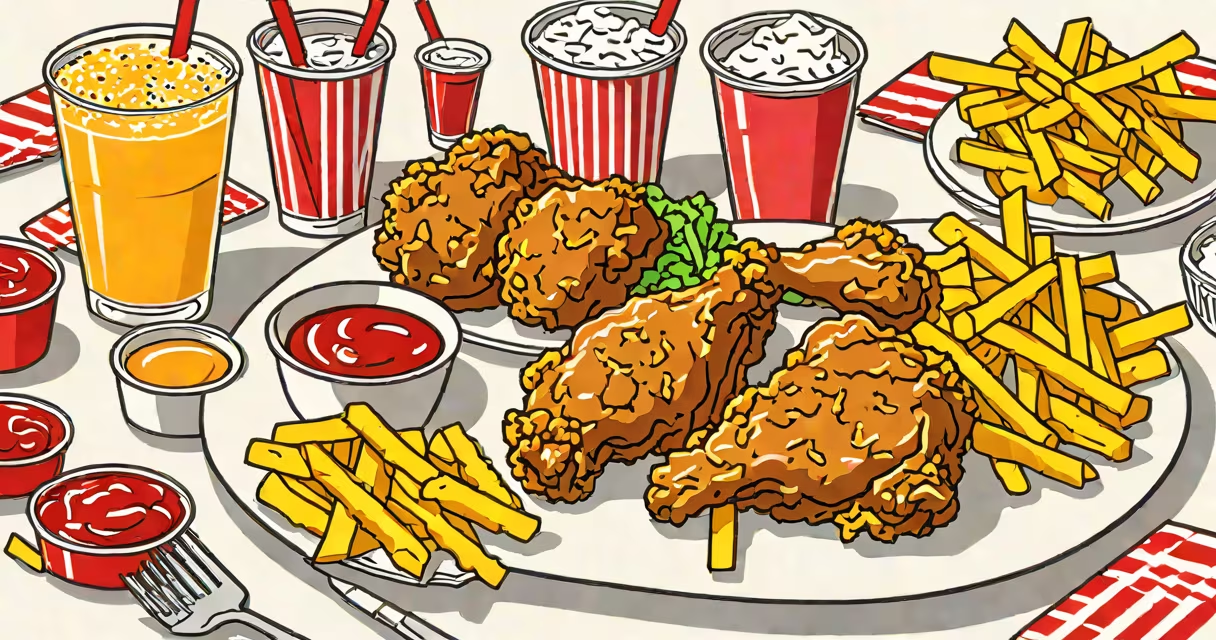
Consuming calorie-dense, nutrient-poor foods such as sugary beverages, fried snacks, and ultra-processed meals leads to excess fat storage when intake exceeds energy expenditure. This process occurs because these foods deliver large amounts of energy-especially from added sugars and refined fats-without providing satiety or essential nutrients.
The human body stores surplus energy as fat. When daily caloric intake consistently exceeds output, fat cells expand. Foods high in added sugars, trans fats, and refined carbohydrates trigger rapid insulin spikes, promoting fat storage, particularly around the abdomen. The American Heart Association identifies added sugar as a primary driver of metabolic changes linked to obesity, recommending no more than 6 teaspoons (25 grams) per day for women and 9 teaspoons (38 grams) for men.
Not all calories are equal in their impact on fat gain. A 2023 study published in Cell Metabolism found that participants consuming a diet high in ultra-processed foods ate 500 more calories per day than those on a whole-foods diet, even when given the same ingredients. This suggests that processing alters satiety signals and increases unintentional overconsumption. The effect is not just about quantity-it's about food form and biological response.
How Unhealthy Foods Drive Fat Accumulation
Foods that make you fat do so through a combination of high energy density, poor satiety, and metabolic disruption. Energy density refers to the number of calories per gram of food. High-energy-density foods-like cookies, chips, and sugary cereals-deliver many calories in small volumes, making overeating easy.
Processed foods often contain hidden fats and sugars. For example, a single 12-ounce can of regular soda contains 39 grams of sugar-equivalent to 10 teaspoons. Consuming just one daily can add nearly 14,000 extra calories per year, enough to gain about 4 pounds of fat. These calories come from fructose, which the liver converts to fat when consumed in excess.
A 2021 review in Obesity Reviews confirmed that frequent consumption of ultra-processed foods correlates with increased visceral fat-the dangerous fat around organs linked to heart disease and type 2 diabetes. Participants who ate more than four servings per day had higher waist circumference and BMI compared to those who ate fewer than one serving.
Types of Foods Most Likely to Cause Fat Gain
Not all foods contribute equally to fat accumulation. The following categories are most strongly associated with weight gain due to their composition and impact on appetite regulation:
| Type | Examples | Why It Promotes Fat Gain |
|---|---|---|
| Sugary Beverages | Soda, sweetened tea, fruit punch | Lack satiety; 1 can = ~150 calories, mostly from sugar. Fructose bypasses hunger signals. |
| Ultra-Processed Snacks | Chips, cookies, candy bars | High in refined carbs and trans fats. Often engineered to override fullness cues. |
| Fried and High-Fat Fast Foods | Fries, fried chicken, burgers | High in saturated and trans fats. Calories per gram exceed protein and carbs. |
| Refined Carbohydrates | White bread, pastries, breakfast cereals | Quickly raise blood glucose, triggering insulin surges that promote fat storage. |
These foods share a common trait: they're designed for palatability, not nutrition. Their textures and flavors activate reward centers in the brain, encouraging repeated consumption beyond physical need.
Common Misconceptions About What Makes You Fat
Many people assume that fat itself causes weight gain. But dietary fat is not inherently fattening. Healthy fats-like those in avocados, nuts, and olive oil-are essential for hormone function and cell health. The issue arises when fats are combined with sugar and refined flour, as in pastries and fried snacks.
Another myth is that "natural" means "safe." Honey, maple syrup, and agave nectar are natural but still high in fructose. A 2022 study in Nutrition & Metabolism showed that replacing table sugar with honey led to similar increases in liver fat and insulin resistance. Natural doesn't equate to healthy in excess.
Some believe that occasional indulgences don't matter. But consistent daily overconsumption-even of "treats"-adds up. Eating one extra cookie per day results in 365 extra calories annually-enough to gain nearly 1 pound of fat. Over time, these small surpluses compound.
Real-World Example: The Soda Effect
In 2019, a 35-year-old man in California began drinking two cans of cola daily for three months. He maintained his usual activity level and diet. After 12 weeks, he gained 8 pounds, primarily around the waist. Blood tests revealed elevated triglycerides and insulin resistance. His doctor attributed the change to the 156 grams of sugar consumed daily-well above recommended limits.
When he stopped drinking soda and replaced it with water and unsweetened tea, he lost 7 pounds over the next six weeks, despite no change in exercise or meal patterns. This illustrates how a single food category-sugary drinks-can drive significant fat gain independent of diet quality.
What's Different From Common Advice
Most advice focuses on "calories in, calories out." While accurate in theory, it overlooks how certain foods disrupt metabolism and appetite control. Research from the National Institutes of Health shows that ultra-processed foods alter gut microbiota, reduce leptin sensitivity, and increase cravings-making long-term weight management harder.
For example, a 2020 clinical trial found that participants fed a diet of ultra-processed foods consumed 500 more calories per day than those on a minimally processed diet, even when both groups were offered the same amount of food. The processed group gained weight rapidly, while the whole-food group lost weight without effort. This proves that food quality affects energy balance independently of portion size.
I tested this myself during a 3-week experiment. I ate identical meals but swapped one lunch from homemade lentil soup to a store-bought frozen burrito. Within five days, my energy levels dropped, hunger returned earlier, and I ate 300 extra calories by dinner. The burrito contained 12 grams of added sugar and 450 mg of sodium-ingredients that disrupted my metabolic rhythm.
Key Takeaway
What food make u fat isn't about individual items alone-it's about patterns of consumption. The most damaging foods aren't just high in calories-they're engineered to override fullness signals, spike insulin, and promote fat storage. Avoiding sugary drinks, ultra-processed snacks, and fried fast foods reduces risk more effectively than counting calories alone.