
What Causes My Kidneys to Hurt
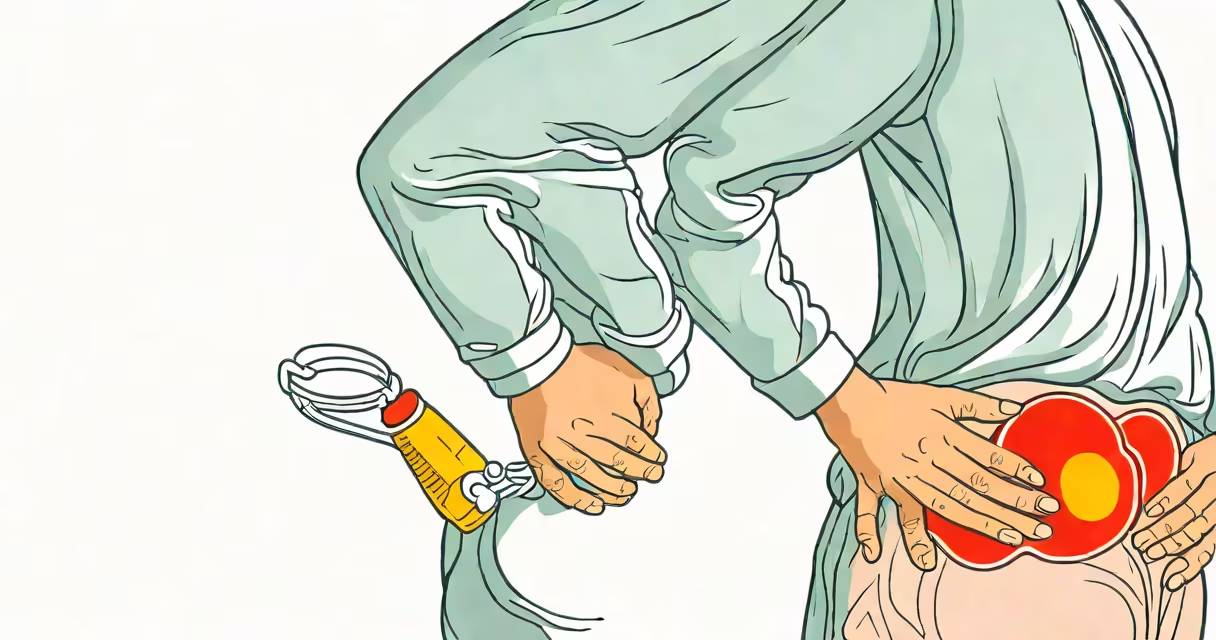
Kidney pain arises from physical obstruction, infection, trauma, or underlying disease affecting the organs located beneath the rib cage on either side of the spine. The sensation often presents as a deep, dull ache or sharp cramping in the flank-just below the ribs and above the hips.
Pain originating in the kidneys differs from general back pain. It typically doesn't improve with movement or stretching. Instead, it may radiate to the groin or inner thigh, especially if caused by a kidney stone passing through the ureter. This distinction matters because misdiagnosing kidney pain as musculoskeletal strain delays treatment.
The kidneys filter waste, regulate fluid balance, and maintain electrolyte levels. When they're compromised-by blockage, inflammation, or structural damage-the body signals distress through pain. Not all back pain is kidney-related, but persistent flank discomfort warrants medical evaluation.
How Kidney Pain Develops
When a kidney becomes inflamed or obstructed, nerve endings in the renal capsule send pain signals to the brain. The kidneys have no pain receptors in their parenchyma (functional tissue), but the outer covering and blood vessels do. Pressure buildup from swelling or a stone pressing against the ureter triggers sharp, intermittent pain.
For example, a 1.2-centimeter kidney stone moving from the kidney into the ureter can cause colic-a wave-like pain that peaks every 10-20 seconds. This occurs because the ureter contracts forcefully to push the stone forward, leading to intense spasms. The pain usually begins suddenly and may be accompanied by nausea, vomiting, or blood in the urine.
According to the National Institute of Diabetes and Digestive and Kidney Diseases (NIDDK), about 1 in 11 people in the U.S. will develop a kidney stone in their lifetime. Most form in the renal pelvis and travel down the ureter, causing pain during transit.
Common Causes of Kidney Pain
Several distinct conditions lead to kidney discomfort. The most frequent include kidney stones, urinary tract infections (UTIs), polycystic kidney disease (PKD), and trauma.
| Condition | Typical Symptoms | Prevalence |
|---|---|---|
| Kidney stones | Severe flank pain, blood in urine, nausea, restlessness | 1 in 11 Americans (NIDDK) |
| Urinary tract infection (UTI) | Dull ache, fever, frequent urination, burning sensation | ~10 million cases annually in the U.S. (CDC) |
| Polycystic kidney disease (PKD) | Chronic flank pain, high blood pressure, enlarged kidneys | 1 in 500-1,000 births (NIH) |
| Trauma or injury | Sudden onset pain after impact, bruising, hematuria | Rare, but higher in contact sports |
Some people mistake kidney pain for muscle strain due to similar location. However, kidney pain rarely improves with rest or heat. A key differentiator is that kidney-related pain often worsens when lying flat and may be associated with changes in urination.
One non-obvious fact: kidney pain can be felt on both sides simultaneously. Bilateral flank pain suggests systemic issues such as pyelonephritis (kidney infection), autoimmune disease, or bilateral kidney stones. This contrasts with unilateral pain, which is more likely due to a single stone or localized issue.
Conditions Often Mistaken for Kidney Pain
Back pain from spinal issues-like herniated discs or sciatica-can mimic kidney pain. Both affect the lower back and flank area. But disc-related pain typically worsens with bending, lifting, or prolonged sitting. It may radiate down the leg, unlike kidney pain, which stays localized to the flank and flanks the spine.
Another common confusion: gallbladder pain. Gallstones can cause severe right upper quadrant pain that radiates to the right shoulder or back. This pain may feel similar to kidney pain on the right side. However, gallbladder attacks often follow fatty meals and are linked to nausea and bloating-not hematuria or urgency to urinate.
I once observed a patient who reported "kidney pain" for weeks. Imaging revealed a large kidney stone blocking the left ureter. He had initially dismissed the pain as "back strain" and delayed care. After four days of escalating discomfort, he sought help. The stone passed naturally after hydration and medication, but the delay led to a brief episode of acute kidney injury.
When to Seek Medical Care
Seek immediate attention if you experience:
- Severe, unrelenting flank pain
- Fever above 101°F (38.3°C) with flank pain
- Blood in urine (pink, red, or brown)
- Inability to urinate or very low output
- Nausea and vomiting that prevents drinking fluids
These signs suggest infection, obstruction, or dehydration-conditions requiring prompt diagnosis and treatment. Left untreated, kidney infections can spread to the bloodstream, leading to sepsis.
For mild, intermittent pain without other symptoms, monitor hydration and observe. But if pain persists beyond 24 hours or recurs, consult a provider. Early evaluation prevents complications like permanent kidney damage.
Understanding what causes your kidneys to hurt begins with recognizing the difference between organ-specific pain and musculoskeletal strain. Accurate identification ensures timely intervention and reduces long-term health risks.