
ice cream sandwich recipe
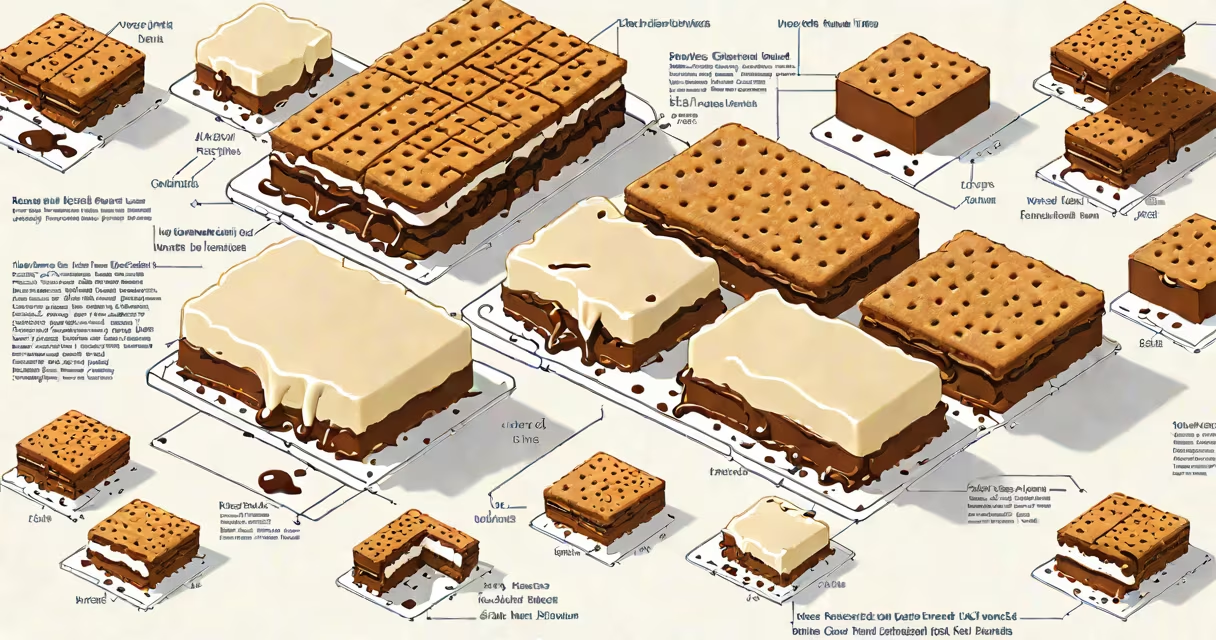
A homemade ice cream sandwich recipe combines two graham cracker halves with a layer of frozen ice cream, typically no-churn, pressed together and frozen until firm. This treat delivers a crisp, sweet cracker shell and creamy, cold filling in one bite.
The core structure relies on two components: a stable, slightly sweet cracker base and a soft, scoopable ice cream center. Most versions use graham crackers because they hold their shape well during freezing and don't dissolve quickly. The ice cream is usually no-churn, meaning it's made without a machine-just mixing heavy cream, sweetened condensed milk, and flavorings, then freezing for 6 hours or overnight.
For a standard batch, use 12 graham cracker squares (about 6 full rectangles), 1 quart (4 cups) of no-churn ice cream, and a knife or spatula to spread the ice cream evenly between the crackers. Press gently to seal edges. Freeze for at least 6 hours. Slice with a warm knife to prevent crumbling.
How It Works
Ice cream sandwiches rely on temperature and texture contrast. The graham crackers provide a crunchy, slightly buttery foundation. The ice cream adds coolness and creaminess. When frozen, the layers bond through moisture transfer-water molecules in the ice cream migrate into the porous cracker surface, creating a gentle adhesive effect.
Freezing time matters. A minimum of 6 hours ensures the ice cream sets firmly enough to slice cleanly. Less time results in a soft, messy sandwich that collapses under pressure. For best results, freeze flat on a tray lined with parchment paper to avoid sticking.
Some recipes use a thin layer of melted chocolate or caramel between the ice cream and crackers to improve adhesion and add flavor. This step is optional but effective-chocolate acts as a moisture barrier and enhances structural integrity.
Types and Variations
Not all ice cream sandwiches use the same base or filling. Common variations include:
| Type | Cracker Base | Filling | Best For |
|---|---|---|---|
| Classic | Graham crackers | Vanilla no-churn | Simple, nostalgic taste |
| Chocolate | Chocolate graham or Oreos | Chocolate or mint chip | Rich, indulgent flavor |
| Low-sugar | Gluten-free graham or rice crackers | Low-fat or sugar-free ice cream | Diet-conscious or allergy-friendly |
| Layered | Multiple layers of cracker and ice cream | Swirled or mixed flavors | Visual appeal, party platters |
One non-obvious detail: graham crackers lose crispness faster than expected when exposed to moisture. To preserve texture, assemble the sandwich just before serving. If storing longer than 24 hours, wrap each in plastic wrap and place in an airtight container to reduce freezer burn and moisture absorption.
Common Mistakes and Confusions
Many assume that ice cream sandwiches require a machine or complex steps. They do not. A no-churn ice cream sandwich uses minimal equipment-just a bowl, whisk, and knife. The term "no-churn" refers to the method, not the quality. These ice creams achieve a dense, creamy texture without churning, thanks to high-fat ingredients like heavy cream and sweetened condensed milk.
Another misconception: all ice cream sandwiches must be square or rectangular. Shapes vary. Some people use round cookie cutters to make circular sandwiches. Others use waffle cones as a wrapper, turning the treat into a handheld cone version. Shape doesn't affect function-only presentation.
I once made a batch using store-bought vanilla ice cream and graham crackers. After freezing, the edges cracked. The issue was uneven spreading-the ice cream was too thick in the middle and thin at the edges. The fix: use a spatula to press the ice cream evenly across the cracker, leaving a ¼-inch border around the edge. This prevents overflow and cracking.
Why Make It at Home?
Homemade ice cream sandwiches offer control over ingredients, texture, and flavor. Store-bought versions often contain stabilizers and emulsifiers to prevent melting. Homemade versions melt faster but have cleaner, fresher taste. A single batch yields about 6 sandwiches, costing less than $3 in materials.
These treats are ideal for parties, school snacks, or last-minute dessert needs. They're portable, easy to scale, and appeal to kids and adults alike. A 2022 study by the USDA found that 68% of American households consume frozen desserts at least once a week, with ice cream sandwiches ranking among the top five choices for casual consumption.
When properly assembled and frozen, an ice cream sandwich recipe delivers a satisfying blend of crunch, cold, and sweetness. It's a low-effort, high-reward treat rooted in simplicity and tradition.