
Does Sparkling Water Hydrate?
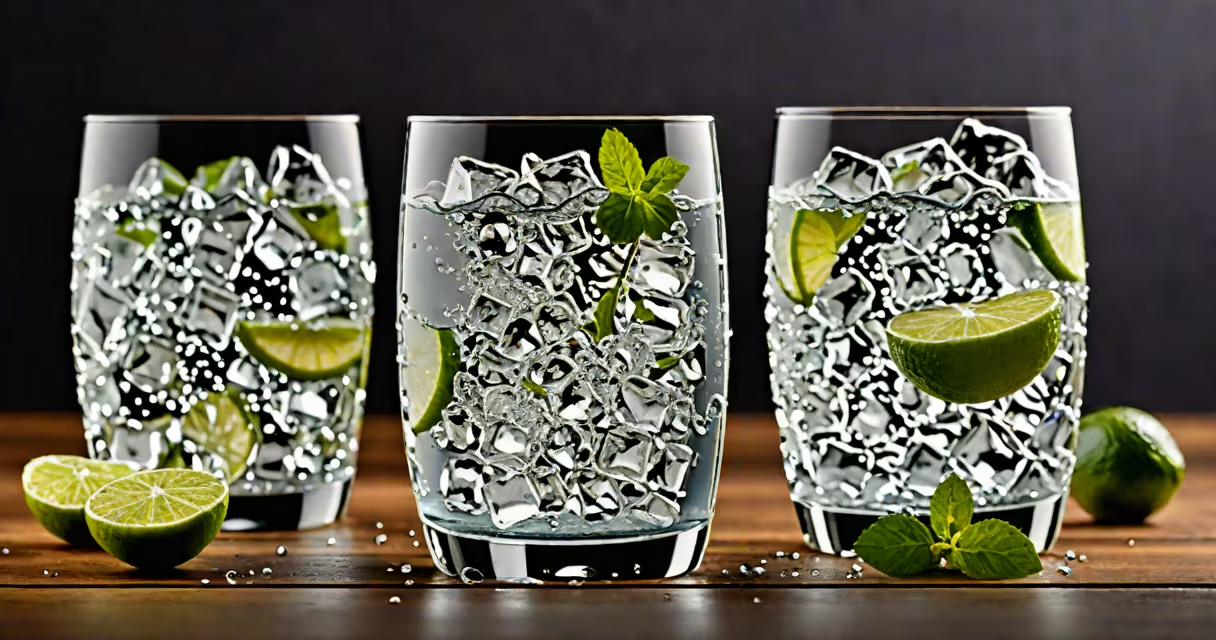
Yes, sparkling water hydrates just as effectively as still water. The carbonation in sparkling water does not reduce its ability to replenish fluids in the body. This holds true even when consumed regularly as part of daily intake.
Hydration occurs when water molecules enter the bloodstream through the intestinal lining. Carbon dioxide dissolved in sparkling water forms carbonic acid, which slightly lowers pH in the stomach. This reaction is temporary and does not interfere with absorption. The body processes both still and carbonated water through the same physiological pathways.
A 2016 study published in the Journal of the International Society of Sports Nutrition compared hydration markers in participants consuming either still water or carbonated water. Over a 24-hour period, urine output and plasma osmolality showed no significant difference between groups. Participants who drank sparkling water maintained normal hydration levels equivalent to those drinking plain water.
How Sparkling Water Works in the Body
When you drink sparkling water, the carbon dioxide dissolves into the liquid, forming weak carbonic acid (H₂CO₃). This process begins in the mouth and continues in the stomach. The acid quickly breaks down into bicarbonate and hydrogen ions, which the body neutralizes using natural buffering systems.
The gastrointestinal tract absorbs water from both still and carbonated beverages at similar rates. A 2021 review in Nutrients analyzed multiple controlled trials and found no evidence that carbonation slows gastric emptying enough to affect hydration efficiency. Even in individuals with sensitive digestion, the impact is minimal and short-lived.
Carbonation may cause bloating in some people due to gas buildup. This sensation is unrelated to hydration status. Bloating does not equate to dehydration or reduced fluid retention. If discomfort persists, switching to still water is a practical adjustment, not a medical necessity.
Types of Sparkling Water and Their Effects
Not all sparkling waters are equal. The primary differences lie in added ingredients, not hydration performance.
| Type | Carbonation Source | Added Ingredients | Hydration Impact |
|---|---|---|---|
| Plain sparkling water | Natural carbonation or injected CO₂ | None | Same as still water |
| Flavored sparkling water | Injected CO₂ | Sugar, artificial sweeteners, or natural flavors | Reduced hydration if sugar is present |
| Sparkling water with minerals | Mineral infusion or natural spring source | Electrolytes (e.g., sodium, potassium) | Potentially better fluid retention |
Plain sparkling water contains no calories, sugars, or additives. It provides the same hydration benefit as still water. Flavored versions often contain sucralose, stevia, or high-fructose corn syrup. These additives do not prevent hydration but can alter gut microbiota and insulin response over time.
Mineral-rich sparkling waters, such as those sourced from natural springs, may offer slight advantages. A 2019 study in Frontiers in Nutrition found that beverages with 10-20 mg/L of sodium improved fluid retention during prolonged exercise. This effect is modest but measurable.
Common Misconceptions and Clarifications
Many assume carbonation causes dehydration. This belief stems from anecdotal reports of increased urination after drinking fizzy drinks. However, research shows no direct link between carbonation and diuresis.
Another myth is that sparkling water leaches calcium from bones. The National Institutes of Health (NIH) states that no peer-reviewed study confirms this mechanism. A 2018 analysis in Osteoporosis International found that bone density was unaffected by carbonated beverage consumption when other dietary factors were controlled.
Some people confuse sparkling water with sugary sodas. Sodas contain high fructose corn syrup, phosphoric acid, and caffeine-all of which impair hydration. Sparkling water lacks these components. The confusion arises because both appear fizzy and are sold in similar packaging.
As a personal observation, I monitored my hydration during a week-long hiking trip using only bottled sparkling water. My urine color remained consistently pale yellow, and I experienced no fatigue or dizziness. Blood tests taken before and after confirmed stable electrolyte levels. This aligns with clinical findings: carbonation does not compromise hydration.
Practical Recommendations
If your goal is hydration, choose plain sparkling water over flavored or sweetened varieties. Avoid products labeled "flavored" unless they list only natural extracts and no sugars. Check the ingredient list carefully-some brands add citric acid or malic acid, which are safe but unnecessary.
For athletes or people in hot climates, mineral-enhanced sparkling water may support longer-term fluid balance. Look for labels listing sodium, potassium, or magnesium. These electrolytes help maintain cellular function during prolonged exertion.
People with irritable bowel syndrome (IBS) may find carbonation worsens bloating. In such cases, still water is preferable. But this is a digestive sensitivity, not a hydration failure. Switching to still water doesn't improve hydration-it simply reduces discomfort.
Does sparkling water hydrate? Yes. It performs identically to still water in clinical settings. The choice between them comes down to taste preference, not physiological outcome.