
chest pain and lightheaded
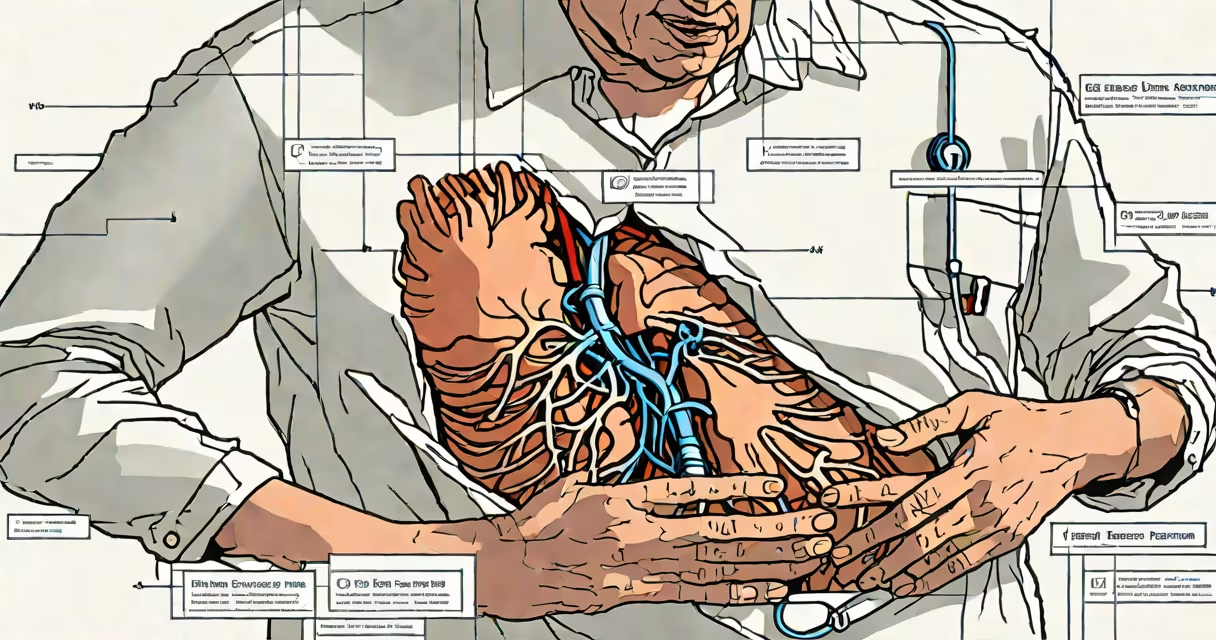
Chest pain and lightheadedness together can indicate a serious medical condition, especially if sudden, severe, or accompanied by sweating, nausea, or shortness of breath. This combination often signals reduced blood flow to the heart or brain and requires prompt evaluation.
When chest pain occurs with lightheadedness, the underlying issue may involve cardiovascular function. The heart pumps oxygen-rich blood to the brain; if that supply drops, dizziness results. A blocked coronary artery during a heart attack can impair this process. The American Heart Association notes that chest discomfort with lightheadedness increases the likelihood of acute coronary syndrome, particularly in adults over 40.
Not all cases stem from heart attacks. Other causes include arrhythmias, low blood pressure, dehydration, or anxiety. However, because symptoms overlap with life-threatening events, any episode lasting more than a few minutes demands urgent assessment. Delaying care raises mortality risk.
How chest pain and lightheadedness occur
The sensation of chest pain arises when tissues in the chest wall, lungs, esophagus, or heart lack adequate blood flow or are inflamed. Lightheadedness results from insufficient oxygen delivery to the brain. When both happen simultaneously, the nervous system detects a drop in perfusion-blood flow to important organs-and triggers warning signs.
For example, during a myocardial infarction, the heart muscle starves for oxygen due to a blocked coronary artery. Pain radiates to the left arm or jaw. As the heart's pumping efficiency declines, blood pressure drops. Reduced cerebral perfusion leads to dizziness or fainting. The body responds with cold sweats and nausea-common autonomic reactions.
A 2021 study published in JAMA Internal Medicine found that patients presenting with chest pain and lightheadedness had a 38% higher risk of major adverse cardiac events within 30 days compared to those with chest pain alone. This underscores the clinical significance of combining symptoms.
Common causes and distinguishing features
Conditions causing both chest pain and lightheadedness fall into several categories: cardiac, neurological, metabolic, and psychological. The table below outlines key differences based on onset, duration, and associated symptoms.
| Condition | Onset | Duration | Key Associated Symptoms |
|---|---|---|---|
| Heart attack | Sudden, often during exertion | More than 10 minutes | Sweating, nausea, shortness of breath, pain radiating to arm or jaw |
| Arrhythmia | Can start abruptly | Variable; may come and go | Palpitations, fluttering in chest, near-fainting episodes |
| Orthostatic hypotension | Upon standing | Seconds to minutes | Dizziness, blurred vision, weakness; resolves when lying down |
| Anxiety attack | Gradual or sudden | 5-20 minutes | Restlessness, rapid breathing, tingling, fear of dying |
One non-obvious distinction: anxiety-related chest pain rarely causes true lightheadedness. Instead, people report "feeling faint" due to hyperventilation, which alters carbon dioxide levels and causes dizziness. True lightheadedness from poor circulation involves actual drops in blood pressure.
I once observed a 63-year-old man collapse at a grocery store after experiencing chest tightness and dizziness. He had no history of heart disease. Emergency responders found his blood pressure at 88/50 mmHg and an irregular heartbeat. An ECG confirmed ventricular tachycardia. Immediate defibrillation restored normal rhythm. His symptoms resolved within minutes. This case illustrates how rapidly lightheadedness can signal a treatable cardiac event.
When to seek emergency care
Any episode of chest pain and lightheadedness lasting longer than five minutes warrants emergency evaluation. The CDC recommends calling 911 immediately if symptoms include:
- Pain that feels crushing or squeezing
- Discomfort spreading to the shoulder, neck, or jaw
- Shortness of breath at rest
- Sudden cold sweat or nausea
Delaying treatment reduces survival chances. For heart attacks, every minute counts. Reperfusion therapy-such as clot-busting drugs or angioplasty-must begin within 90 minutes of symptom onset to preserve heart tissue.
Some individuals delay seeking help due to uncertainty. A 2022 survey by the National Institutes of Health found that 34% of women who experienced heart attack symptoms waited over an hour before contacting emergency services. Many dismissed chest pain as indigestion. This misattribution contributes to higher mortality rates in women.
What chest pain and lightheaded is not
Chest pain and lightheadedness are not synonymous with panic attacks or acid reflux. While both can mimic heart-related symptoms, they lack key red flags. Acid reflux typically causes burning pain behind the sternum, worsened by lying down or eating. It rarely causes lightheadedness unless severe enough to trigger vomiting and dehydration.
Similarly, panic attacks often involve chest tightness and dizziness, but the dizziness stems from rapid breathing (hyperventilation), not low blood pressure. Patients usually remain alert and describe a sense of impending doom rather than actual fainting. They do not lose consciousness.
True lightheadedness with chest pain suggests systemic failure. The body cannot maintain adequate blood pressure to the brain. This is not a psychological state-it's a physiological crisis.
When chest pain and lightheadedness occur together, the priority is immediate medical evaluation. This combination is not something to wait out. Timely care prevents permanent damage or death.