
What Is Anxiety or Depression
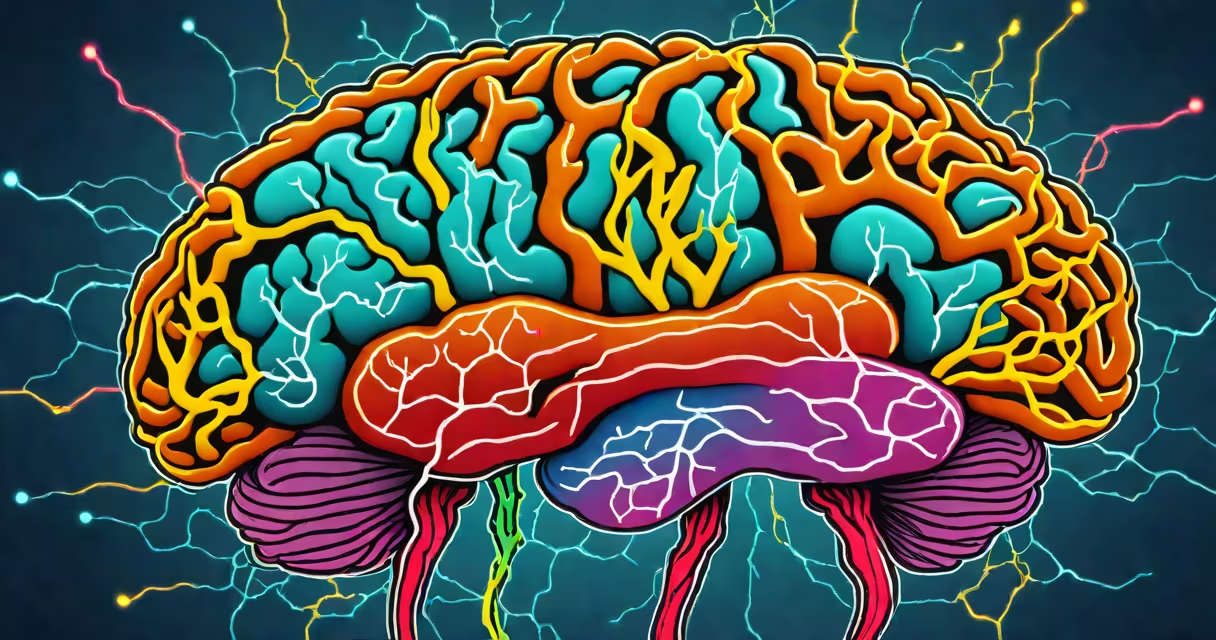
Anxiety and depression are distinct yet often co-occurring mental health conditions characterized by persistent emotional distress, disrupted thinking, and impaired functioning. Anxiety involves excessive worry, fear, or physical tension, while depression features low mood, loss of interest, and fatigue. Both affect approximately 1 in 5 adults in the U.S., according to the National Institute of Mental Health (NIMH).
Anxiety arises when the brain's threat-detection system becomes overly sensitive. The amygdala, responsible for processing fear, may overreact to perceived threats-even minor ones-triggering stress hormones like cortisol and adrenaline. This leads to symptoms such as racing thoughts, muscle tension, rapid breathing, and restlessness. A person experiencing generalized anxiety disorder (GAD) might spend hours worrying about work, relationships, or health, even when there's no clear danger.
Depression results from disruptions in brain chemistry, particularly serotonin, dopamine, and norepinephrine. These neurotransmitters regulate mood, motivation, and pleasure. When levels drop or signaling falters, individuals may feel hopeless, lose energy, struggle with concentration, and withdraw from social contact. Major depressive disorder (MDD) requires at least five symptoms lasting two weeks or longer, including depressed mood, diminished interest, sleep changes, appetite shifts, fatigue, feelings of worthlessness, difficulty focusing, and suicidal ideation.
How They Work Together
Anxiety and depression frequently coexist. The American Psychiatric Association reports that nearly 60% of people diagnosed with depression also meet criteria for an anxiety disorder. This comorbidity complicates treatment because symptoms overlap-fatigue, poor concentration, irritability, and sleep disturbances appear in both conditions.
For example, someone with panic disorder may avoid public transportation due to fear of having a panic attack. Over time, avoidance leads to isolation, reduced activity, and worsening low mood-symptoms consistent with depression. Conversely, a person with major depression may ruminate on past failures, fueling anxious thoughts about future outcomes. This cycle reinforces both conditions.
Neuroimaging studies show shared brain regions involved in both disorders. The prefrontal cortex, which regulates emotion and decision-making, shows reduced activity in both anxiety and depression. The hippocampus, involved in memory and stress response, often shrinks in chronic cases-this structural change correlates with prolonged symptom duration.
Types and Subtypes
There are several recognized forms of anxiety and depression, each with specific diagnostic criteria.
| Type | Key Features | Prevalence |
|---|---|---|
| Generalized Anxiety Disorder (GAD) | Persistent worry about everyday events; difficulty controlling thoughts | 3.1% of U.S. adults annually (NIMH) |
| Panic Disorder | Sudden episodes of intense fear with physical symptoms like chest pain or dizziness | 2.7% annually |
| Major Depressive Disorder (MDD) | Five or more symptoms lasting two weeks or more, including depressed mood and anhedonia | 7.1% annually |
| Dysthymia (Persistent Depressive Disorder) | Chronic low-grade depression lasting two years or more | 1.5% annually |
Some people experience mixed features-depression with prominent anxiety symptoms, or anxiety with depressive episodes. The DSM-5 recognizes "mixed anxiety-depressive disorder" as a formal diagnosis when both sets of criteria are met but neither dominates.
Common Misconceptions
People often confuse anxiety and depression with normal stress or sadness. But clinical anxiety and depression are not simply "feeling down" or "overthinking." They involve measurable biological changes and functional impairment. For example, someone with severe depression may be unable to get out of bed for days despite wanting to work or care for family.
A common error is assuming depression is just "sadness." It is not. Clinical depression includes physical symptoms like unexplained pain, digestive issues, and extreme fatigue. A 2021 study in JAMA Psychiatry found that 40% of patients with MDD reported somatic complaints-headaches, joint pain, or stomach problems-before receiving a psychiatric diagnosis.
Another myth is that anxiety is purely emotional. Physical manifestations are central: trembling, sweating, heart palpitations, and hyperventilation. During a panic attack, a person may feel like they're dying. These responses are real physiological reactions, not imagined or exaggerated.
Real-World Example
Consider Maria, a 34-year-old teacher. She began avoiding school meetings after feeling dizzy and nauseous during presentations. Her doctor ruled out medical causes. Over six months, she stopped attending parent-teacher events and withdrew from friends. She slept 12 hours a night but still felt exhausted. She lost weight, cried frequently, and had trouble concentrating. After evaluation, she was diagnosed with major depressive disorder and generalized anxiety disorder.
Treatment included cognitive behavioral therapy (CBT) and medication. Within four months, her mood improved, she returned to work, and resumed social activities. Her case illustrates how overlapping symptoms require integrated diagnosis and care.
What to Do If You're Struggling
If you or someone you know experiences ongoing anxiety or depression, seek professional help. Early intervention improves outcomes. The National Alliance on Mental Illness (NAMI) recommends consulting a licensed therapist or psychiatrist rather than relying on self-diagnosis.
Effective treatments include psychotherapy-especially CBT-and medications like SSRIs (e.g., sertraline, fluoxetine). Lifestyle factors such as regular exercise, consistent sleep, and reducing alcohol intake support recovery. Research shows that 60-70% of people respond well to treatment within 8-12 weeks.