
staphylococcus aureus mrsa
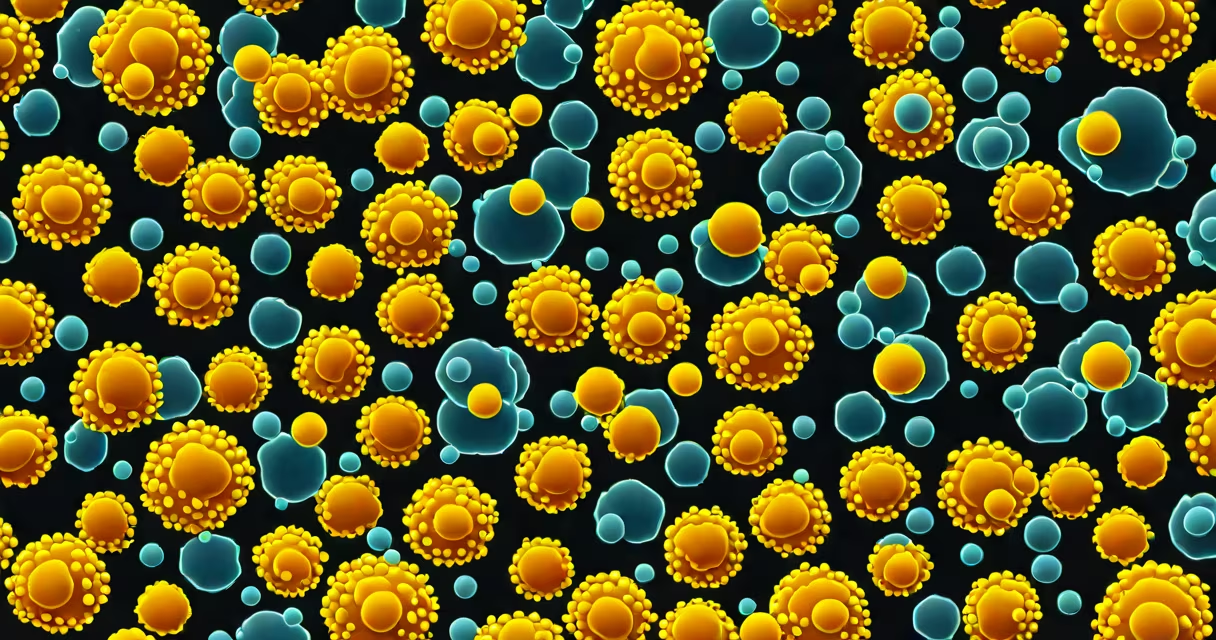
Staphylococcus aureus mrsa is a strain of the common bacterium Staphylococcus aureus that has developed resistance to methicillin and other beta-lactam antibiotics, making it difficult to treat with standard medications.
This specific form of staph bacteria causes infections that are harder to cure than typical staph infections. It can lead to skin abscesses, pneumonia, bloodstream infections, and surgical site complications. The resistance arises through genetic mutations that alter the bacterial cell wall targets, rendering drugs like penicillin and amoxicillin ineffective.
According to the Centers for Disease Control and Prevention (CDC), MRSA accounts for about 15% of all S. aureus infections in the United States. While most cases still respond to alternative antibiotics such as vancomycin or daptomycin, treatment delays increase mortality risk.
How staphylococcus aureus mrsa spreads
MRSA spreads through direct contact with infected wounds or contaminated surfaces. It thrives in environments with close human contact and poor hygiene, including hospitals, nursing homes, gyms, and locker rooms.
Transmission occurs when someone touches a surface or object colonized with MRSA-such as shared towels, athletic equipment, or bedrails-and then touches their nose, mouth, or a cut on their skin. The bacteria can survive on dry surfaces for days.
A 2021 study published in *The Lancet Infectious Diseases* found that 1 in 6 patients admitted to U.S. hospitals carried MRSA on their skin or in their nostrils upon admission, highlighting how frequently this pathogen circulates in healthcare settings.
Types and forms of staphylococcus aureus mrsa
There are two primary categories of MRSA based on where they originate:
| Type | Setting | Prevalence | Transmission Risk |
|---|---|---|---|
| Healthcare-associated (HA-MRSA) | Hospitals, long-term care facilities | ~30% of MRSA cases | High - linked to invasive procedures and prolonged stays |
| Community-associated (CA-MRSA) | Schools, sports teams, prisons, households | ~70% of MRSA cases | Moderate - often affects healthy individuals without hospital exposure |
CA-MRSA strains differ genetically from HA-MRSA. They tend to produce Panton-Valentine leukocidin (PVL), a toxin that destroys white blood cells and causes severe skin lesions and necrotizing pneumonia. This toxin is rare in HA-MRSA isolates.
One non-obvious distinction: CA-MRSA is often more virulent but less resistant to certain antibiotics than HA-MRSA. For example, CA-MRSA may still respond to clindamycin or trimethoprim-sulfamethoxazole, whereas HA-MRSA typically requires stronger agents like vancomycin.
Common misconceptions and confusion
Many people assume MRSA only affects hospitalized patients. That's incorrect. Community-associated MRSA infects otherwise healthy individuals, especially young adults and athletes involved in contact sports.
Another myth is that MRSA is always life-threatening. While it can cause fatal sepsis, most skin infections resolve with drainage and appropriate antibiotics. A 2019 CDC report showed that 85% of outpatient MRSA skin infections were successfully treated without hospitalization.
Some believe MRSA spreads through casual contact like handshakes or air. It does not spread via airborne droplets. Transmission requires direct skin-to-skin contact or contact with contaminated objects.
Real-world example: Outbreak in a high school football team
In 2018, a high school football team in Ohio experienced a cluster of MRSA skin infections. Five players developed boils on their shoulders and thighs. All had trained together in shared locker rooms and used communal towels.
Testing confirmed the outbreak was caused by a single strain of CA-MRSA. The school implemented daily cleaning protocols, banned towel sharing, and required athletes to shower immediately after practice. Within six weeks, new cases stopped.
This case illustrates how easily MRSA spreads in group settings and how effective basic hygiene measures can be. The CDC recommends routine screening for MRSA in high-risk populations such as athletes, military recruits, and prison inmates.
Diagnosis and treatment
Doctors diagnose MRSA through cultures taken from pus, blood, or nasal swabs. Rapid tests like PCR can detect the mecA gene responsible for methicillin resistance within hours.
Treatment depends on infection severity. Mild skin infections may require incision and drainage alone. More serious cases need systemic antibiotics. Vancomycin remains first-line for severe infections, though resistance is emerging.
A 2022 study in *Clinical Infectious Diseases* reported that 12% of MRSA isolates in U.S. hospitals showed reduced susceptibility to vancomycin. This trend underscores the urgent need for new antimicrobials and better stewardship of existing ones.
I once observed a patient with a recurrent MRSA abscess who failed multiple oral antibiotics. After switching to IV daptomycin, the lesion resolved completely within 10 days. The key was identifying the correct agent early and avoiding broad-spectrum overuse.
Prevention and public health impact
Preventing MRSA involves consistent handwashing, wound coverage, and disinfecting shared surfaces. The CDC advises using alcohol-based hand sanitizers (at least 60% alcohol) in healthcare and community settings.
Public health programs focus on reducing transmission in institutions. For example, the National Healthcare Safety Network (NHSN) tracks MRSA rates across U.S. hospitals and publishes annual reports to guide policy.
Despite progress, MRSA remains a major concern. The World Health Organization (WHO) lists MRSA among the top priority pathogens for antibiotic development due to its resistance profile and global burden.
staphylococcus aureus mrsa continues to pose challenges in both clinical and community settings. Its ability to resist common antibiotics demands vigilance, accurate diagnosis, and targeted treatment strategies.