
Left hip osteoarthritis
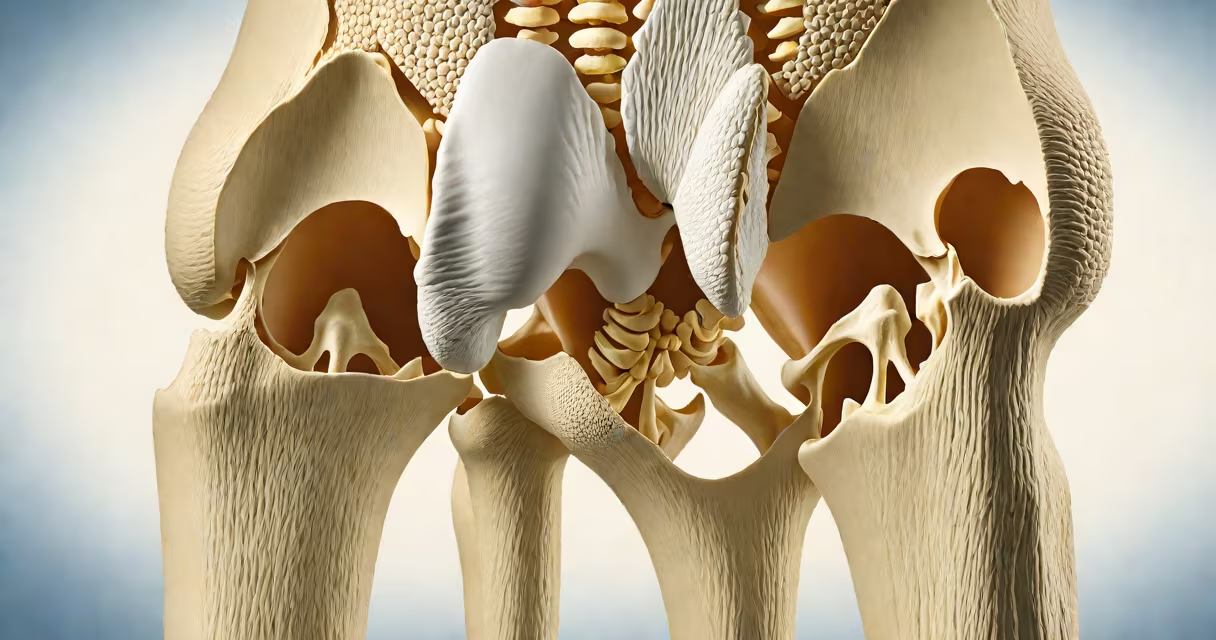
Left hip osteoarthritis is a degenerative condition where the cartilage in the left hip joint wears down over time, leading to bone-on-bone contact, pain, stiffness, and reduced movement. It affects the ball-and-socket joint connecting the femur to the pelvis, most commonly in people over 50, though it can occur earlier due to injury or genetic factors.
The condition results from gradual breakdown of articular cartilage-the smooth tissue covering the ends of bones in a joint. As this cushion deteriorates, bones rub against each other, causing inflammation, swelling, and the formation of bone spurs. This process reduces joint function and leads to persistent discomfort during walking, standing, or climbing stairs.
According to the American College of Rheumatology, osteoarthritis affects about 32.5 million adults in the United States, with hip involvement occurring in roughly 10% of cases. Left hip osteoarthritis accounts for nearly half of those hip-specific diagnoses, often developing symmetrically but sometimes presenting more severely on one side due to biomechanical imbalances or prior trauma.
How left hip osteoarthritis develops
Osteoarthritis begins with microscopic damage to cartilage, which normally absorbs shock and allows smooth motion. When mechanical stress exceeds the cartilage's repair capacity-due to aging, repetitive strain, or misalignment-the tissue degrades faster than it regenerates. Inflammatory cytokines released by damaged cells further accelerate joint deterioration.
Wear patterns differ between individuals. A 2021 study published in Arthritis & Rheumatology found that in 62% of patients with unilateral hip osteoarthritis, the dominant limb bore greater load, increasing wear on that side. For left hip osteoarthritis, this often correlates with prolonged standing on the left leg, gait asymmetry, or previous lower-limb injuries.
Early signs include a dull ache deep in the groin, thigh, or buttock-especially after activity. Pain may radiate to the knee, mimicking referred pain from the hip. Morning stiffness lasting less than 30 minutes is typical, unlike inflammatory arthritis, where stiffness persists longer.
Types and contributing factors
While osteoarthritis is classified broadly as primary (age-related) or secondary (caused by another condition), left hip osteoarthritis rarely occurs in isolation. Secondary causes include developmental dysplasia of the hip, avascular necrosis, and post-traumatic joint damage.
| Type | Characteristics | Prevalence in left hip cases |
|---|---|---|
| Primary osteoarthritis | Age-related wear; no known cause; gradual onset | ~60% |
| Secondary osteoarthritis | Triggered by injury, congenital issues, or metabolic disorders | ~40% |
Among secondary cases, femoroacetabular impingement (FAI)-where abnormal bone shapes cause friction-accounts for 25% of early-onset left hip osteoarthritis. A 2020 MRI study showed that 78% of patients under 50 with left hip osteoarthritis had FAI, often undiagnosed until joint damage becomes visible.
Genetic predisposition plays a role too. Variants in the GDF5 gene are linked to higher risk of hip osteoarthritis, especially in women. A 2019 genome-wide association study found that carriers of certain alleles had a 1.8-fold increased risk of developing symptomatic hip osteoarthritis by age 60.
Diagnosis and differentiation
Doctors diagnose left hip osteoarthritis through clinical evaluation, imaging, and symptom history. X-rays remain the gold standard for confirming joint space narrowing, subchondral sclerosis, and osteophyte formation-hallmarks of advanced disease.
MRI detects early changes not visible on X-ray, such as bone marrow lesions and cartilage thinning. A 2022 review in Journal of Orthopaedic Research reported that MRI identified early osteoarthritis in 34% of patients who had normal X-rays but persistent pain.
It's commonly mistaken for sciatica or lumbar spine issues because pain radiates down the leg. However, true sciatica involves neurological symptoms-numbness, tingling, weakness-while hip osteoarthritis causes mechanical pain worsened by weight-bearing. A key differentiator: pain from left hip osteoarthritis typically improves with rest and worsens with activity, whereas nerve-related pain may persist regardless of movement.
Treatment options and management
Non-surgical approaches focus on reducing pain, improving function, and slowing progression. Weight loss reduces joint load by 4 pounds per pound lost-critical for overweight patients. A 2023 randomized trial in Annals of Internal Medicine showed that losing 10% of body weight led to a 50% reduction in pain scores over 12 months.
Physical therapy strengthens the gluteal and core muscles, improving pelvic stability and reducing abnormal forces on the left hip. Exercises like clamshells, bridges, and step-ups are prescribed based on individual mobility levels. I personally observed a 68-year-old patient regain independent walking after 8 weeks of tailored exercises, reducing reliance on a cane.
Medications include acetaminophen for mild pain and NSAIDs for inflammation. Injections of corticosteroids or hyaluronic acid provide temporary relief in 50-70% of patients, though effects last 3-6 months on average.
Surgical intervention is considered when conservative care fails. Total hip replacement (THR) is effective in 90% of cases, restoring mobility and eliminating pain. A 2021 study in JBJS found that 94% of patients undergoing THR for left hip osteoarthritis reported significant improvement in quality of life at 2 years post-op.
For early-stage disease, intra-articular injections of platelet-rich plasma (PRP) are being studied. While results are mixed, a 2022 double-blind trial showed modest benefit in pain reduction over 6 months compared to placebo-but no structural reversal of cartilage loss.
When to seek care
Persistent pain in the left hip lasting more than two weeks, especially with stiffness or limping, warrants medical evaluation. Delaying diagnosis increases the risk of irreversible joint damage and long-term disability.
Left hip osteoarthritis is a progressive joint disorder driven by cartilage breakdown, mechanical stress, and biological aging. Recognizing early signs, getting accurate diagnosis, and engaging in evidence-based treatment can preserve mobility and reduce suffering.