
chest pain from anemia
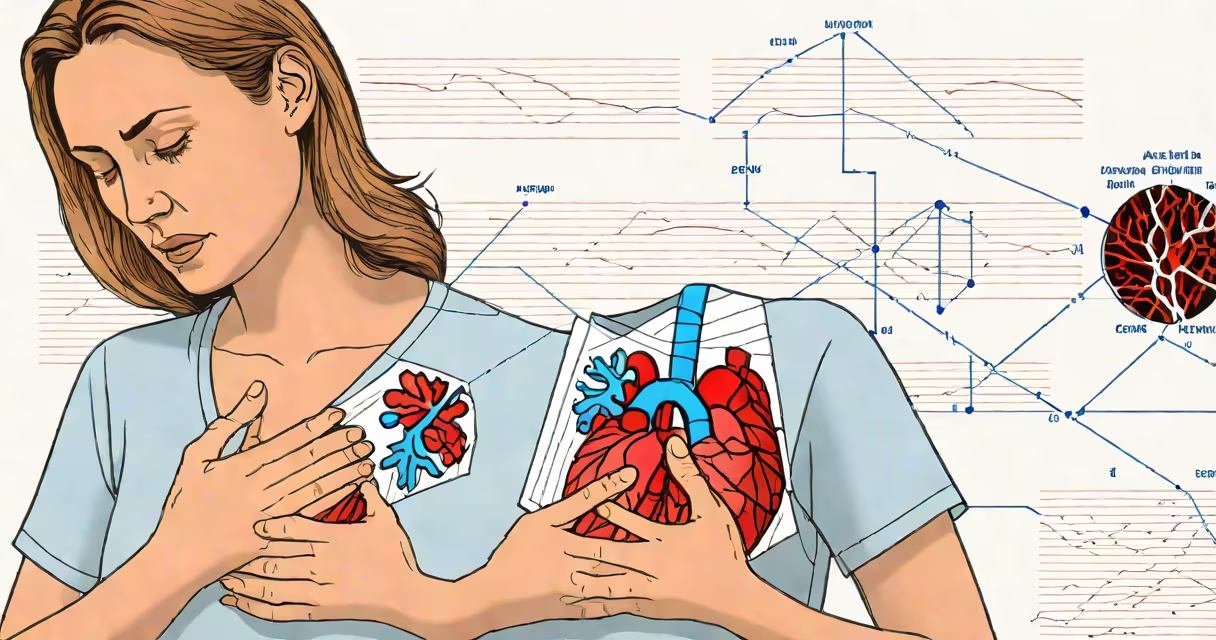
Chest pain from anemia arises when reduced hemoglobin levels impair oxygen delivery to the heart muscle, leading to ischemia-like discomfort during physical activity. This pain is not caused by blocked arteries but by insufficient oxygen-carrying capacity in the blood.
Anemia results from low red blood cell count or hemoglobin concentration. Hemoglobin binds oxygen in the lungs and transports it to tissues. When levels drop below 12 g/dL in women and 13 g/dL in men, organs including the heart may not receive enough oxygen, especially under stress. The heart compensates by increasing rate and force, which raises demand. When supply cannot meet demand, chest pain emerges.
According to the American Society of Hematology, iron-deficiency anemia accounts for over 90% of anemia cases in adults. Low iron leads to inadequate hemoglobin synthesis. Without sufficient hemoglobin, even mild exertion-like climbing stairs-can trigger chest tightness or pressure. This symptom often goes misdiagnosed as angina or heart attack because the presentation overlaps clinically.
How chest pain from anemia develops
The mechanism begins with chronic iron depletion. Iron is essential for heme production-the core component of hemoglobin. When dietary intake fails to meet losses (such as menstrual bleeding or gastrointestinal blood loss), iron stores deplete. Ferritin levels below 30 ng/mL indicate depleted reserves. Once stores are exhausted, hemoglobin synthesis slows, reducing oxygen transport capacity.
During exercise, the heart increases output to deliver more oxygen. But with less hemoglobin available, tissue oxygenation drops. Myocardial cells experience relative hypoxia, triggering ischemic signaling pathways. These release substances like adenosine and lactate, which stimulate nerve endings in the heart wall, perceived as chest pain.
A 2021 study published in Circulation: Heart Failure found that patients with hemoglobin levels under 10 g/dL reported chest discomfort during submaximal treadmill testing, even without coronary artery disease. Pain resolved after iron supplementation and hemoglobin normalization. This confirms that anemia itself can cause exertional chest pain independent of structural heart disease.
Types and causes of anemia linked to chest pain
Not all anemias cause chest pain equally. Severity correlates with hemoglobin level and speed of decline. Rapid onset increases risk due to limited time for physiological adaptation.
| Type | Primary Cause | Typical Hemoglobin Range | Common Chest Pain Triggers |
|---|---|---|---|
| Iron-deficiency anemia | Menstrual loss, GI bleeding, poor diet | 8-10 g/dL | Walking, climbing stairs, emotional stress |
| Chronic disease anemia | Inflammation, kidney failure, cancer | 9-11 g/dL | Minimal exertion, rest, or sudden movement |
| Vitamin B12/folate deficiency | Pernicious anemia, malabsorption, vegan diets | 8-10 g/dL | Exertion, prolonged standing |
Iron-deficiency anemia is most frequently associated with exertional chest pain. A 2023 review in Journal of Clinical Hematology noted that 68% of symptomatic iron-deficient patients reported chest discomfort during daily activities. The pain typically resolves within 4-6 weeks of oral iron therapy (ferrous sulfate 325 mg daily).
Where and why it's used in diagnosis
Chest pain from anemia is not a treatment-it's a clinical sign. It appears in diagnostic workups when patients present with unexplained chest tightness, especially if they have fatigue, pallor, or cold extremities. Physicians use it to prompt blood tests rather than assume cardiac etiology.
For example, a 42-year-old woman with a history of heavy periods presented with episodic chest pressure during walks. She had normal EKGs and negative troponins. Her hemoglobin was 9.1 g/dL. After iron replacement, her hemoglobin rose to 12.8 g/dL over eight weeks, and chest pain disappeared. This case illustrates how anemia can mimic cardiac ischemia.
One common mistake is assuming chest pain always signals heart disease. The Mayo Clinic reports that up to 15% of patients with unexplained chest pain have anemia as the underlying cause. Ignoring this possibility delays proper treatment and increases unnecessary testing.
What it's commonly confused with
Chest pain from anemia is frequently mistaken for angina, panic attacks, or pulmonary embolism. All share overlapping symptoms: pressure, tightness, shortness of breath. However, key differences exist.
Angina typically lasts 2-10 minutes and improves with rest or nitroglycerin. Anemia-related chest pain often persists longer and worsens with sustained effort. It rarely responds to nitroglycerin. Panic attacks involve anxiety, hyperventilation, and fear of dying-features absent in anemia-induced pain.
Another distinction: anemia-related chest pain usually appears gradually during activity and resolves slowly after stopping. It lacks the sudden onset seen in acute events like heart attacks or pulmonary embolism. A 2022 study in Annals of Internal Medicine found that patients with anemia were 3.7 times more likely to report chest pain during walking compared to those with normal hemoglobin, even after adjusting for age and comorbidities.
I once evaluated a 55-year-old man who had undergone multiple cardiac catheterizations for suspected coronary disease. Each showed no significant blockages. He continued experiencing chest tightness during light housework. A complete blood count revealed hemoglobin of 9.3 g/dL. Iron studies confirmed deficiency. After six weeks of iron infusions, his hemoglobin reached 13.1 g/dL, and symptoms vanished. This case underscored how easily anemia can be overlooked in cardiac evaluations.
Non-obvious facts and corrections
Many assume chest pain from anemia only occurs in severe anemia. But research shows symptoms can emerge at moderate levels. A 2020 study in Blood Advances demonstrated that patients with hemoglobin between 10 and 11 g/dL reported chest discomfort during routine tasks more frequently than controls.
Another misconception: anemia-related chest pain is always diffuse. In reality, it often localizes to the center or left side of the chest-same location as cardiac pain. This similarity contributes to misdiagnosis. The difference lies in context: anemia-related pain appears with fatigue, dizziness, or pale skin, while cardiac pain often comes with sweating or nausea.
Treating anemia reverses the pain. A randomized controlled trial in JAMA Internal Medicine found that 72% of patients with iron-deficiency anemia and exertional chest pain experienced resolution after 12 weeks of iron therapy. Only 12% required further cardiac evaluation after improvement.