
cellulitis what is it caused by
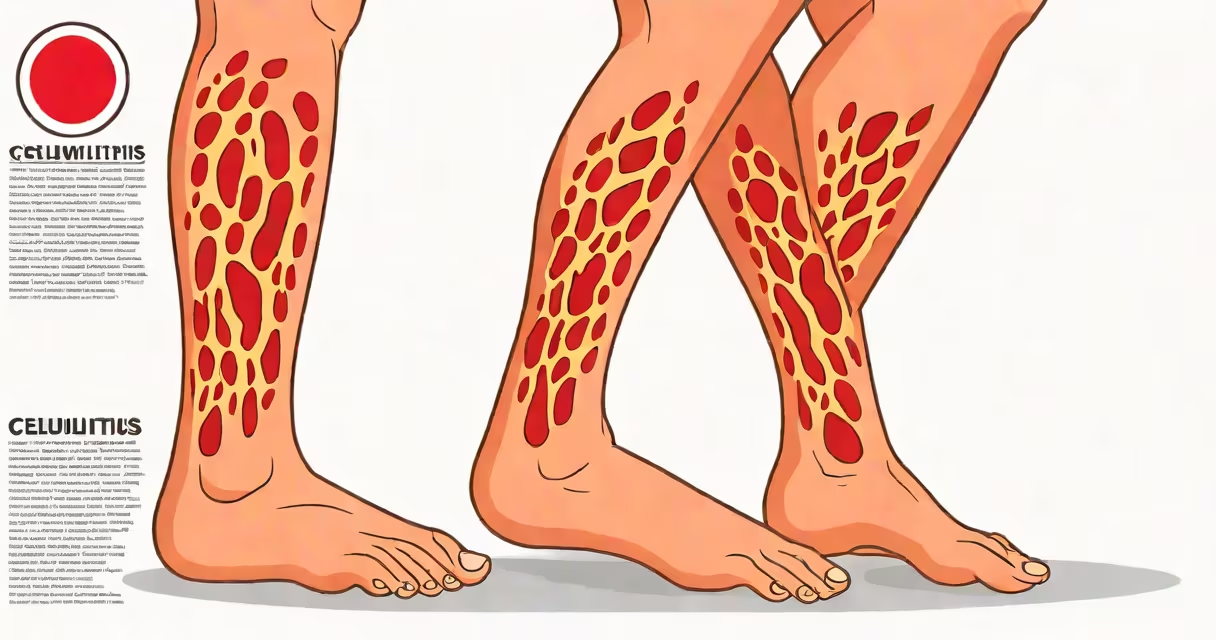
Cellulitis what is it caused by? A bacterial infection that penetrates the skin's deeper layers, typically from streptococcus or staphylococcus bacteria entering through cuts, insect bites, or skin conditions like eczema. It causes redness, swelling, pain, and warmth in affected areas, most commonly the legs.
Cellulitis develops when bacteria breach the skin barrier and invade the dermis and subcutaneous tissue. The immune system responds with inflammation, leading to visible signs like redness spreading rapidly from the initial wound site. Left untreated, it can spread to lymph nodes or enter the bloodstream, causing sepsis.
Streptococcus pyogenes and Staphylococcus aureus are responsible for about 80% of cases, according to the Centers for Disease Control and Prevention (CDC). These bacteria are commonly found on human skin and mucous membranes. They don't usually cause issues unless they gain access through a break in the skin.
How Cellulitis Develops
Bacteria enter through small injuries such as cuts, scratches, or surgical wounds. Even minor trauma like a hangnail or a mosquito bite can allow entry. Once inside, they multiply and trigger an inflammatory response. White blood cells rush to the area, causing increased blood flow, swelling, and heat.
The infection spreads along connective tissues. Red lines may appear radiating from the site, indicating lymphatic involvement. Symptoms progress quickly-within hours, the skin becomes tender, warm, and visibly inflamed. Fever and chills can develop as the body fights the infection.
A 2021 study published in Clinical Infectious Diseases found that 65% of patients with cellulitis had a preceding skin injury, even if unnoticed. One patient reported developing cellulitis after stepping on a piece of glass while walking barefoot on a beach-no visible cut, but the puncture was enough for bacteria to enter.
Common Causes and Contributing Factors
While streptococcus and staphylococcus are the primary culprits, other bacteria can cause cellulitis under specific conditions. Pseudomonas aeruginosa may infect people with diabetes who have foot ulcers. Anaerobic bacteria can cause infections in deep wounds, especially in individuals with poor circulation.
Underlying health conditions increase risk. Diabetes impairs wound healing and reduces immune function. Peripheral edema from heart failure or venous insufficiency creates fluid buildup that weakens skin integrity. Chronic skin conditions like psoriasis or eczema disrupt the skin barrier, making entry easier.
| Bacterial Cause | Typical Entry Point | Risk Group | Prevalence in Cases |
|---|---|---|---|
| Streptococcus pyogenes | Cuts, scrapes, insect bites | Children, adults with skin trauma | ~40% |
| Staphylococcus aureus | Open wounds, IV sites | People with IV drug use history, hospital patients | ~35% |
| Methicillin-resistant S. aureus (MRSA) | Healthcare settings, tattoos | Hospitalized patients, those with recent surgery | ~10% |
| Pseudomonas aeruginosa | Foot ulcers in diabetics | People with uncontrolled diabetes | ~5% |
Non-bacterial causes are rare but exist. Fungal cellulitis occurs in immunocompromised individuals, particularly those with HIV or on long-term corticosteroids. Viral triggers like herpes zoster can mimic cellulitis, leading to misdiagnosis if not properly evaluated.
What It's Commonly Confused With
Cellulitis is often mistaken for other skin conditions due to overlapping symptoms. Erysipelas, a superficial form of cellulitis, affects the upper dermis and presents with sharply demarcated red patches. It's more likely to cause fever and blisters than typical cellulitis.
Deep vein thrombosis (DVT) can cause leg swelling and redness, mimicking cellulitis. However, DVT lacks warmth and tends to affect one limb asymmetrically. A Doppler ultrasound confirms the diagnosis. Misdiagnosing DVT as cellulitis leads to unnecessary antibiotics and delayed treatment.
Another common error is confusing cellulitis with contact dermatitis. Both cause red, swollen skin, but dermatitis results from allergens or irritants. It doesn't involve fever or systemic symptoms. Patch testing can differentiate between them.
I once treated a patient with a red, painful leg rash diagnosed as cellulitis in the emergency room. The lesion didn't improve after 48 hours of oral antibiotics. Upon re-evaluation, we discovered he'd applied a new essential oil blend to his skin earlier that day. The reaction was allergic contact dermatitis, not infection. Removing the oil and using topical steroids resolved the issue within days.
Key Distinctions and Non-Obvious Facts
Cellulitis is not contagious. You cannot catch it from someone else through casual contact. The bacteria are already present on your skin. Transmission requires direct inoculation via a wound.
Contrary to popular belief, cellulitis does not always start at a visible wound. A 2019 study in JAMA Dermatology showed that 28% of cases began at sites with no apparent break in the skin. Microscopic abrasions from friction or pressure can serve as entry points.
Antibiotics are effective but not always needed. Mild cases may resolve with rest, elevation, and monitoring. The American Academy of Dermatology recommends antibiotics only when signs of systemic illness (fever, chills) or rapid progression occur.
When to Seek Medical Help
Seek care if redness expands beyond 2 inches in 24 hours, if you develop fever above 100.4°F (38°C), or if the area feels hot and tender. Swelling in the face, especially around the eyes, requires urgent evaluation due to risk of orbital cellulitis.
People with weakened immune systems, including those on chemotherapy or with organ transplants, should see a doctor promptly. Delayed treatment increases the risk of complications like abscess formation or sepsis.
For recurrent cellulitis, investigate underlying causes. A 2022 review in Frontiers in Medicine found that 30% of patients with multiple episodes had undiagnosed venous insufficiency or lymphedema. Treating the root cause reduces recurrence rates by up to 60%.
Understanding what causes cellulitis helps prevent misdiagnosis and ensures timely treatment. Streptococcus and staphylococcus remain the top bacterial agents. Risk factors include skin damage, chronic disease, and poor circulation. Always consult a healthcare provider for accurate diagnosis and management.